blockage?
Have you ever heard of blockage of the fallopian tubes that affect women, which would cause infertility? You can now know the symptoms of the disease, its causes and methods of treatment. Did you know that infertility in 10-30% of women is caused by blockage of the fallopian tubes or what is called hydrosalpinx, so what is the most important information related to it? The answer and more we will review in the following:
Fallopian tube blockage
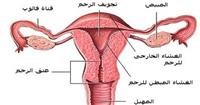
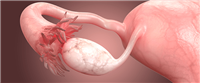
The fallopian tubes are two tubes, each located on both sides of the uterus, through which the mature egg travels from the ovary to the uterus.
Any inflammation of these two tubes leads to partial or complete obstruction of the fallopian tubes in women.
Hydrosalpinx often occurs when fluid builds up in the fallopian tubes and leads to blockage, which may increase a woman''s chance of infertility.
Fallopian tube blockage symptoms
The following symptoms may occur if the fallopian tube is blocked
Pain in the abdomen and pelvis.
Abnormal vaginal secretions.
Unsuccessful attempts to conceive.
It is possible for a woman to have a blocked fallopian tube without showing any symptoms.
Causes of fallopian tube obstruction
The following are the most common causes of hydrosalpinx
Endometrial infection.
ectopic pregnancy.
Pelvic inflammatory disease.
Appendicitis.
Abdominal surgery.
Sexually transmitted diseases, such as: chlamydia or gonorrhea.
Fallopian tube blockage may occur due to inflammation in one tube of the tube, which in turn spreads to the other tube.
The relationship of obstruction of the fallopian tubes to infertility in women
When a blockage occurs in one or both of the tubes, the egg cannot move from the ovary to the uterus, and at the same time the sperm cannot reach the egg to fertilize it, and this may reduce the chances of pregnancy.
It is worth noting that infertility does not occur if the blockage is in only one side of the fallopian tubes, and pregnancy can arise through the other open tube.
In some cases, the fluids in the infected fallopian tubes leak into the uterine area, which in turn impedes the pregnancy process, if any, and leads to problems with it.
Diagnosing fallopian tube blockage
There are several tests that the doctor may perform to diagnose fallopian tube blockage, as follows:
Ultrasound
Ultrasound is a technique that uses high frequencies to produce an image of the fallopian tubes. The image usually becomes clearer when there is a blockage in the tube.
X-ray test
X-rays are taken in the second week of the menstrual cycle - after menstrual bleeding has stopped but before ovulation - the test will not take much time, it takes about 10 minutes
In this test, the doctor injects a small amount of dye into the uterus and fallopian tubes. If this dye spreads through the uterus, leaks through the tubes, and reaches the pelvic cavity, there will be no blockage in the tube.
But if the dye does not pass through the tubes, there may be a blockage of the fallopian tubes.
As a result of the x-ray test, women may experience several side effects, such as: pelvic pain and abdominal cramps.
Laparoscopy
Laparoscopy is a surgical procedure that a doctor may perform using a laparoscope, which is a thin, lighted instrument with a small viewing camera.
It is done by ing a laparoscope into the pelvic area through a small incision in the lower abdomen to view the fallopian tubes on a screen.
Laparoscopy is not usually used as a primary diagnosis because it requires general anesthesia.
Methods of treating fallopian tube blockage
These methods may help treat blocked fallopian tubes
Surgery to remove the infected tube. This type of surgery is known as a salpingectomy.
Surgery to remove scar tissue that may affect fertility or surgery to get rid of endometrial growths.
Treatment with stimulants to increase ovulation If the fallopian tube is partially blocked in one of the fallopian tubes, pregnancy may take place from the side that does not have blockage.
Antibiotic treatment to treat any infection causing the disease.
Laparoscopic surgery to remove blockages from the ducts, but this method depends on the age and how bad the blockage is.