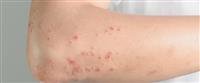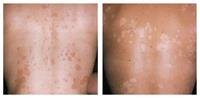
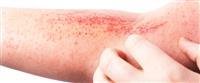
eczema
What are the types of dermatitis? What are the symptoms associated with each type? Is there a treatment for this type of infection? Important information in this article. Let us know what follows about the types of dermatitis and a set of important details and information about each type: Types of dermatitis Here is a list of the most prominent: 1. Stasis dermatitis
Stasis dermatitis is a type of skin infection that affects the ankles or lower legs.
This type of skin infection may arise as a result of poor chronic blood circulation for some reason in the legs, as in the cases of people with varicose veins problem. Poor circulation may lead to swelling of the feet, skin irritation and ulcers.
These are the main symptoms of stasis dermatitis
skin itching
Swelling and swelling of the affected area.
Skin ulcers that may secrete or have crusts.
Thick skin or skin that tends to be red.
2. Atopic dermatitis
Atopic dermatitis is known by another common name, eczema, and this type of inflammation usually appears in areas that contain skin folds in particular, such as: the area behind the knee, and the front side of the neck.
Atopic dermatitis usually appears as bouts that may last for a while and then disappear for several years afterward. There is no clear cause for this condition. These are some of the symptoms of atopic dermatitis:
The appearance of small skin spots whose surface is slightly raised from the surrounding skin, and they may peel off and fluids may come out when rubbed.
Skin itching that may be intense and severe and may prompt the patient to continue scratching his skin until he scratches it or damages it.
Reddened or cracked skin areas.
3. Seborrheic dermatitis
Seborrheic dermatitis is a type of inflammation that affects the skin, causing peeling. It often affects skin areas that secrete large amounts of sebum, such as: the area behind the ears and the scalp area, and it appears in the form of what is called dandruff in adults or cradle cap. (Cradle cap) in infants.
These are the main symptoms of seborrheic dermatitis
Skin sores or areas of skin covered by crusts.
Dry scalp.
Burning or itching feeling.
skin redness
4. Contact dermatitis
Contact dermatitis is one of the types of dermatitis that may appear triggered by an allergen or irritant, and it has two types:
Allergic contact dermatitis
This type of skin infection appears as a reaction to some allergens, such as: pollen, certain types of food, some perfumes, and latex.
These are some of the symptoms associated with this type of skin infection: rash, swelling of the face, peeling, cracking and dryness of the skin, and skin bubbles in some severe cases.
Irritant contact dermatitis
This type of skin infection appears as a result of exposing the skin to substances that are not actually allergic, but may harm the skin, such as: cleaning materials, soap, nail polish remover, and acids.
This is an overview of the symptoms that may accompany infection with this type of dermatitis: redness, swelling, skin bubbles, stinging or burning in the skin, and peeling of the skin.
5. Other types of dermatitis
These are some other types of infections that may affect the skin:
Neurodermatitis: It usually appears as a result of continuous and repeated scratching of the skin.
Perioral dermatitis: It appears in the form of red blisters around the mouth, often caused by excessive or incorrect use of some ointments or nasal sprays.
Other types, such as: Nummular dermatitis, dry skin, and diaper rash.
Dermatitis treatment
These are some of the remedial measures that may help relieve different types of dermatitis:
Use some ointments and creams, such as: emollients, especially after showering, and topical steroids to relieve itching.
Adopt certain habits, such as: showering less often per week, taking a cool shower, using only certain types of soap as recommended by your dermatologist, wearing clothes made of soft fabrics, and avoiding scented skin products.
The use of certain medications may vary from case to case, such as: antibiotics and antihistamines.
Complications of dermatitis
Failure to obtain the necessary medical care, especially for patients with certain types of skin infections, may cause health complications such as:
Sleep disorders.
Eye health problems, such as conjunctivitis and blepharitis.
Other complications, such as: viral or bacterial infection, and scars.