How does a blood or marrow transplant (BMT) work?
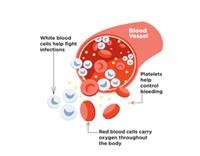
A blood or marrow transplant (BMT) replaces unhealthy blood-forming cells with healthy ones. Blood-forming cells (blood stem cells) are immature cells that grow into red blood cells, white blood cells and platelets. They’re found in the soft tissue inside your bones, called bone marrow. When they’re mature, they leave the marrow and enter the bloodstream.
Before transplant, you get chemotherapy (chemo) and sometimes radiation to destroy the diseased cells and marrow. Then, the healthy cells are given to you.
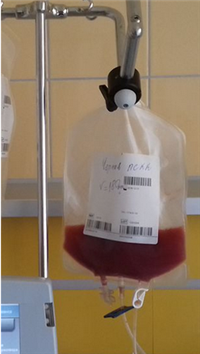
BMT is not surgery. The new cells go into your bloodstream through an intravenous (IV) catheter or tube. It’s just like getting blood or medicine through an IV. From there, the cells find their way into your marrow.. It can take months or years to recover from BMT. Learn more about what to expect before, during and after BMT.
Where do the healthy cells come from?
Healthy blood-forming cells used in transplant can come from 3 sources
Bone marrow: Spongy tissue inside of bones
Peripheral blood stem cells (PBSC): Blood-forming cells from the circulating blood
Cord blood: The blood collected from the umbilical cord and placenta after a baby is born
What are the different types of BMT?
There are 2 main types of transplant
An autologous transplant uses your own blood-forming cells.
An allogeneic transplant uses blood-forming cells donated by someone else. The cells can come from:
A family member. This could be someone with closely matched human leukocyte antigens (HLA) like a sibling. Or this could be someone who matches half of your HLA, like a parent or child.
An unrelated adult donor or cord blood unit through the Be The Match Registry®
Other names for BMT
You might hear BMT called
Allo (allogeneic) transplant
Auto (autologous) transplant
BMT – bone marrow transplant
Haplo – haploidentical, or half-matched, transplant
HCT – hematopoietic cell transplantSCT – stem cell transplant
Which type of transplant is best for me?
Your transplant doctor will tell you which type of transplant—autologous or allogeneic—and which source of cells is best for you. This decision is based on many factors including:
What disease you have and its stage
Your overall health
When is the best time to have a transplant?
It takes time to plan for a transplant, so your doctor may start the process early—even if you are still considering other treatments.
In general, transplants are most successful if
The disease in an early stage.
You are in remission (no signs of disease), or there is very little disease in your body
Your disease has gotten better after treatment
You are in good overall health
What diseases can BMT treat?
A BMT can treat more than 70 diseases including
Blood cancers like leukemia or lymphoma
Bone marrow diseases like aplastic anemia
Other immune system or genetic diseases like sickle cell disease