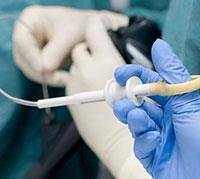
Endoscopic surgery for nasal polyps is one of the treatment methods used in cases of chronic sinusitis that does not respond to drug treatment, and this type of surgery is the best in the majority of chronic cases that require surgery. Risks of nasal polyp surgery Nasal polyp surgery is a relatively safe surgery, but it may carry some rare risks, such as the following:
Bruises and swelling around the eyes
Severe bleeding.
A wound in the eye area.
brain injury
Before the surgery
The patient should tell the doctor about all the medications, nutritional supplements and herbs that he is taking before the surgery.
while performing the surgery
When performing surgery for nasal polyps in this way, the endoscope is ed through the nose, which provides the doctor with an image of the inside of the sinus cavity.
Surgical instruments are ed next to the endoscope, which allows the doctor to remove small amounts of bone or other material blocking the sinus openings. Possible tumors in the mucosa can also be removed.
In some cases, lasers are used to remove the tissue that is blocking the sinus opening, and a small electric trigger can be used to remove the excess tissue.
The operation lasts for 30 to 90 minutes, and general or local anesthesia is used, and the patient must stay in the hospital for several days after the surgery.
After the surgery
During the first weeks of some surgery, a group of symptoms appear, such as: feeling uncomfortable and bleeding, and the patient must commit to visiting the doctor on a weekly basis for 3 weeks after surgery to remove dry blood and pus.
The patient is advised to follow some tips and steps to obtain a complete recovery, as follows:
Plug the nose with gauze to absorb the blood that oozes from the nose.
Commitment to taking the medications prescribed by the doctor.
Use saline solutions to keep the nasal passages moist.
Refrain from activities that may hurt the nose, such as: bending forward.
Use a steamer to keep the room humid, especially while sleeping.