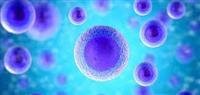
Stem cells of the blood system are cells with the ability to multiply and transform, so they can produce a new blood system in the body of the patient who undergoes the transplant. There are additional sources of stem cells in addition to the bone marrow, such as the blood itself, and umbilical cord blood. Today, stem cell transplantation in children is one of the methods used in the treatment of a large number of cancerous and non-cancerous diseases.
Methods of stem cell transplantation in children
There are two ways to transplant stem cells in children, namely
1. Autologous stem cell transplantation
For the treatment of cancer, tumors that affect solid organs, such as certain types of brain tumors, neuroblastoma, and several types of lymphomas, such as: Hodgkin''s lymphoma or Non-Hodgkin''s lymphoma ).
It is usually unlikely to reach a full recovery from these serious diseases when using chemotherapy or radiotherapy only.
However, if the initial treatments contribute to significantly reducing the size of the tumor, it is possible to perform chemotherapy in high doses that can destroy the tumor until the last cell.
But because of the toxicity of this treatment, it may lead to permanent damage to the patient’s marrow cells, which are the most sensitive cells in the body, so an ample amount of these cells is collected at a stage prior to conducting chemotherapy treatments, and they are kept in the freezer, and then re-implanted in the patient’s body after completion. Phases of chemotherapy, including high-dose therapy.
2. Allogeneic stem cell transplantation
These operations are resorted to in a number of diseases, such as: acute lymphoblastic leukemia, acute myeloid leukemia of high severity, myelodysplasia, and chronic myeloid leukemia. leukaemia), and chronic myelomonocytic leukaemia.
In this process, there must be a donor with stem cells that are compatible with the patient''s cells. A donor from the family is first searched for. In case of incompatibility, an native must be searched for.
One of the most important factors determining the success of a transplant is the extent of tissue compatibility, as lack of proportion may lead to rejection by the recipient body.
Preparing for stem cell transplantation in children
First, the doctor conducts comprehensive examinations of the patient 21 days before the operation.
In the case of autologous stem cell transplantation, stem cells must be taken from the patient before starting high-dose chemotherapy and frozen until used.
Steps for stem cell transplantation in children
After completing the treatment protocol for the child, the child is injected with stem cells intravenously in the same way as blood transfusion.
recovery phase
The body needs some time between 1-2 weeks to manufacture new blood cells and platelets, and usually the patient sits in the hospital around 3-5 weeks before going home.
The patient must be kept away from any source of infection or pollution to avoid any complications.
The patient should also perform comprehensive blood tests periodically, and not miss the doctor''s visits.