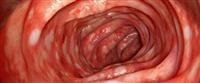
Colitis is an inflammation of the inner lining or tissues that line the colon that leads to discomfort and pain. It may appear in a mild form or over a long period of time. It is often a lifelong disease. Inflammation occurs for many different reasons, and there are many types of colitis, so treatment varies depending on the type of colitis that a person has.
Learn more details below
Types of colitis
Learn about the types of colitis
1. Ulcerative colitis
Ulcerative colitis is a type of inflammatory bowel disease (IBD). It begins in the rectum and then spreads to the colon, causing inflammation, bleeding, and severe ulcers within the inner lining of the large intestine.
The most common types of ulcerative colitis are
Acute colitis: Most often, the inflammation affects the entire colon.
Left-sided colitis: which begins in the rectum and continues on the left side of the colon.
Proctosigmoiditis: which occurs in the rectum and lower part of the colon.
Pancolitis: Also called pancreatitis, it occurs throughout the large intestine.
2. Crohn''s disease
Crohn''s disease is one of several types of colitis and a type of inflammatory bowel disease. Inflammation caused by Crohn''s disease mostly affects only the colon, unlike other types.
3. Microscopic Colitis
This type of inflammation is detected through a microscope only, and there are two types of microscopic colitis, namely:
Lymphocytic colitis: which results from an increase in white blood cells that accumulate under the layers of the colon wall.
Collagenous colitis: The lining of the colon becomes thicker due to a buildup of collagen under the outer layer of tissue.
4. Ischemic colitis
One of the most prominent types of colitis is ischemic colitis, which occurs due to reduced blood flow to the colon, and there are 3 main types of ischemic colitis, they are:
Ischemic colitis due to gangrene.
ischemic colitis due to strictures.
Transient ischemic colitis.
Transient ischemic colitis is more common in most people than other types.
5. Pseudomembranous colitis
This inflammation occurs due to the overgrowth of a type of bacteria in the body, and some types of viruses may cause pseudomembranous colitis.
6. Allergic colitis
Allergic colitis is common in infants, especially in the first two months after birth.
Mostly, the doctor recommends that the mother follow a specific diet and avoid certain foods that lead to allergic colitis, such as: cow''s milk, eggs, and wheat.
Symptoms of colitis
Symptoms vary depending on the type of colitis. Learn about them in detail
1. Symptoms of ulcerative proctitis
They include
Pain in the rectum.
Rectal bleeding.
Rapid bowel movement.
2. Symptoms of left-sided colitis
It is as follows
Weight loss.
Anorexia.
Pain in the left side of the abdomen.
bloody diarrhea
3. Symptoms of acute colitis
They include
Weight loss
Poor appetite.
Diarrhea contains blood.
Abdominal pain.
4. Symptoms of Crohn''s colitis
as follows
skin lesions
joint pain
Rectal bleeding.
Diarrhea.
Abscess and sores around the anus.
5. Symptoms of microscopic colitis
Such as
Watery diarrhea that does not contain blood.
Abdominal pain and cramps.
swelling.
Weight loss.
fecal incontinence
Drought.
6. Symptoms of ischemic colitis
The most prominent symptoms
abdominal cramps
blood in the stool
Diarrhea and nausea.
vomiting.
bloating
7. Symptoms of pseudomembranous colitis
There are no specific symptoms for this type of colitis and they are often similar to the symptoms of enteritis, however, a person may suffer from:
fever.
diarrhea.
Tummy ache.
Rectal bleeding.
Discomfort and discomfort.
Weight loss.
8. Symptoms of allergic colitis
It includes
reflux.
increased spitting.
discomfort.
Blood spots in the baby''s stool.
Causes and risk factors for colitis
The causes and risk factors for colitis can be explained as follows
Causes of colitis
The cause depends on the type of colitis. Continue to find out more
1. Ulcerative colitis
They include
An activity in the immune system in response to bacteria or other substances in the digestive tract.
family history
The gut microbiome.
However, the main reason for this is not known.
2. Crohn''s disease
Among the most prominent reasons
family history
Overactivity of the immune system.
smoking.
Some medications, such as: non-steroidal anti-inflammatory drugs that lead to Crohn''s disease.
3. Microscopic colitis
It is common in women and microscopic colitis occurs for several reasons, including
digestion dysfunction.
Bacterial and viral infections.
Absorption of bile acid.
Hashimoto''s thyroiditis.
Graves'' disease.
Rheumatoid arthritis.
psoriasis
Some medications, such as: aspirin, lansoprazole, and ranitidine.
4. Ischemic colitis
It is caused by many health conditions, such as
heart disease.
Diabetes.
Hypertension.
High cholesterol.
smoking.
5. Pseudomembranous colitis
Among the most prominent reasons
Clostridium difficile, which is one of the types of good bacteria found naturally in the body, but when antibiotics are taken excessively, sensitive bacteria in the colon are eliminated, which leads to an increase in the growth of Clostridium difficile bacteria, which leads to colitis.
Cytomegalovirus, which is a strain of the herpes virus.
6. Allergic colitis
The cause of allergic colitis in infants may be due to the presence of severe sensitivity to certain components in breast milk, however, the main cause of the inflammation is not known.
Risk factors for colitis
Certain factors contribute to an increased risk of developing colitis, including
The age groups at risk of colitis are 15-35 years old or 55-75 years old.
Long-term use of antibiotics.
Weakened immune system, such as: people receiving chemotherapy.
People who take medications to suppress immunity.
People at increased risk of heart disease.
Undergo abdominal surgery.
Complications of colitis
Complications include
Bleeding with a bowel movement.
Colon perforation.
Toxic megacolon.
Ulcers in the colon.
Colon Cancer.
Rectal cancer.
blood clots
Diagnosis of colitis
There are many tests that are performed to detect colitis, such as
1. Physical examination
The physical examination depends on many things, which will be explained in the following
The doctor asks the patient about the most prominent symptoms he suffers from, and find out when the symptoms started? And how long does it last? What are the things that make it better or worse?
The doctor may check if the patient has traveled to an area where food or water is likely to be contaminated, or if the patient has blood in the stool or abnormal weight loss.
The doctor asks about family history of bowel disorders, and medical history of other health conditions that the patient may have.
The doctor checks blood pressure, heart rate, listens to the heartbeat to make sure there are no heart problems, takes vital signs when lying down or standing, and checks the temperature.
The physical examination includes examining the abdomen and listening to the bowel movement with a stethoscope. The rectum may be examined to check for blood or a mass in the rectum.
2. Blood tests
Doctors often recommend a complete blood count-CBC to check for the following
The presence of anemia in the patient or not by checking the level of red blood cells, and this examination also shows the number of white blood cells to ensure the presence of inflammation in the body or not.
Measuring the level of changes in sodium, potassium, chloride, and bicarbonate in the blood to determine the severity of dehydration and the amount of fluid lost in the body.
Ensure kidney function by examining the level of urea nitrogen in the blood, and creatinine levels, which also reveals the severity of dehydration.
The test provides an erythrocyte sedimentation rate (ESR) and C-reactive protein to identify markers of inflammation.
3. Examination of urine and stool
A urine test helps to ascertain whether a person is dehydrated or not through high or low urine concentration, or if ketones are present.
A stool sample may also be taken for culture and to look for bacterial, parasitic or viral infections, as these may be causes of colitis.
4. Colonoscopy
Through this examination, a thin tube equipped with a camera is used to help see the inner lining of the colon, and to confirm the presence of tumors or not.
A biopsy may also be obtained through endoscopy to be taken to a laboratory and examined under a microscope to determine the cause of the colitis.
5. Computed tomography and barium enema
A CT scan of the abdomen is done to evaluate patients with abdominal pain, and a barium enema may be used to make the X-ray picture clearer and to diagnose the possible cause of colitis.
Colitis treatment
Mostly, the methods of treating colitis depend on the type and severity of symptoms that the patient may suffer from, but the doctor may recommend some medical treatments, such as:
1. Rest
Sometimes the doctor recommends limiting certain foods to provide relief to the bowels, and in some cases may go to the hospital to balance the electrolytes in the body by giving intravenous fluids or oral medications to avoid dehydration, especially for people who suffer from chronic diarrhea caused by colitis.
2. Medicines
The doctor prescribes some anti-inflammatory drugs to treat swelling and pain, and antibiotics to treat infection, and the most prominent drugs used are:
Aminosalicylate.
corticosteroids
Biological medicines.
The doctor can prescribe some over-the-counter pain relievers, such as acetaminophen, to relieve pain.
3. Surgery
Some people do not improve their symptoms even with the use of medications, so the doctor may resort to surgical intervention to remove parts of the intestine and tissue that died.
Prevention of colitis
Mostly, there is no specific method that helps prevent colitis, but some lifestyle changes can be made that help alleviate symptoms, such as:
Try to stay away from smoking, as it is one of the causes of colitis.
Stick to a healthy diet, and try to avoid foods that contain fiber, fat, or dairy products.
Drink plenty of water, and avoid soft drinks, alcohol, and caffeine.
Make sure to exercise regularly.