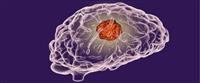

Multiple sclerosis is a disease that often leads to exhaustion, as the body''s immune system damages the membrane surrounding the nerves, which has the function of protecting them. damage which is irreparable.
The symptoms of multiple sclerosis are different and varied according to the affected nerves and the severity of the injury. In difficult cases, patients with multiple sclerosis lose the ability to walk or speak. Sometimes it is difficult to diagnose the disease in its early stages. Because symptoms often appear and then disappear and may disappear for several months.
Multiple sclerosis may appear at any age, but it usually begins to develop between the ages of 20 and 40, and the disease affects women more than men.
Symptoms of multiple sclerosis
Multiple sclerosis has different and varied symptoms related to the location of the affected nerve fibers. Among the symptoms of multiple sclerosis are the following:
Numbness, lack of sensation and feeling, or weakness in all or part of the extremities, and this weakness or paralysis usually appears on one side of the body or in the lower part of it.
Partial or complete loss of sight in one eye, in general, the problem is not in both eyes together at the same time, and sometimes it is accompanied by pain in the eye when moving it.
Double or blurry vision.
Pain and itching in different parts of the body.
Feeling like an electric shock when moving the head certain movements.
tremor
Loss of coordination between the organs of the body, or loss of balance while walking.
exhaustion.
vertigo.
Symptoms appear in most people with multiple sclerosis, especially in its early stages, and then disappear completely or partially. Often, symptoms of multiple sclerosis appear or become more severe when the body temperature rises.
Causes and risk factors for multiple sclerosis
Multiple sclerosis is an autoimmune disease in which the immune system attacks itself. This process damages the myelin layer, which is the fatty substance that envelops and protects nerve fibers in the brain and spine.
When the myelin layer is damaged, the message or information that is transmitted through the nerve may arrive more slowly or may not arrive at all.
Doctors and researchers do not know the exact cause of a person developing multiple sclerosis and not another, but it is known that a combination of genetic factors and childhood infections help in this.
Multiple sclerosis risk factors
The following factors may increase the risk of developing multiple sclerosis
1. Age
Multiple sclerosis may appear at all ages, but it generally begins to appear and develop between the ages of 20-40 years.
2. Sex
Women are twice as likely to develop multiple sclerosis as men.
3. Genetic factors
The possibility of developing multiple sclerosis increases when family members have or have had multiple sclerosis. However, experiments between identical twins have shown that heredity is not the only factor for developing multiple sclerosis.
If multiple sclerosis was related to genetic factors alone, the probability of infection in identical twins would be equal, but the situation is not the case, as the probability of infection in identical twins is only 30% if his twin brother has multiple sclerosis.
4. Infections
It is known that many viruses are related to multiple sclerosis, for example, there is a relationship between multiple sclerosis and the Epstein-Barr virus, which is the virus that causes hostile mononucleosis, and until now it is not known how the virus arises and develops in difficult cases of multiple sclerosis.
5. Other diseases
People are more likely to develop multiple sclerosis if they have one of the following autoimmune diseases:
Diseases in which the functioning of the thyroid gland is impaired.
Type 1 diabetes.
Inflammatory bowel.
Complications of multiple sclerosis
In some cases, patients with multiple sclerosis can develop other diseases, such as
Muscle stiffness or spasm.
Paralysis, especially in the legs.
Problems with the bladder, bowel, or sexual performance.
Mental problems, such as: forgetfulness, difficulty concentrating, or depression.
Epilepsy.
Diagnosis of multiple sclerosis
There are no specific tests to diagnose multiple sclerosis, and in the end the diagnosis depends on denying the presence of other diseases that may cause the same symptoms. The doctor can diagnose multiple sclerosis based on the results of the following tests:
1. Blood tests
Blood tests can help rule out the presence of inflammatory diseases or other infections that also cause the same symptoms of MS.
2. Lumbar puncture
In this examination, the doctor or nurse extracts a small sample of cerebrospinal fluid located in the spine and examines it in the laboratory. The results of this examination can indicate a defect or a specific problem related to multiple sclerosis, such as: abnormal levels of white blood cells or proteins.
This process can also help rule out the presence of viral diseases and other diseases that may cause neurological symptoms similar to those of multiple sclerosis.
3. MRI examination
In this examination, a highly charged magnetic field is used to form a detailed picture of the internal organs. This examination can detect damage to the brain and spine, indicative of the loss of myelin due to multiple sclerosis.
However, the loss of myelin may occur as a result of other diseases such as lupus or Lyme disease, meaning that the presence of these damages does not mean that the patient necessarily has multiple sclerosis.
During the exam, the person lies on a movable table and is ed into a long tube-like device that makes knocking sounds during the exam.
Most examinations take less than an hour, and the examination is not painful, but some people experience claustrophobia when they are inside the machine, so the doctor may make sure that the examination is performed when needed under anesthesia.
Sometimes colored substances are injected into the vein, by which damage can be more easily detected. This process helps doctors determine whether the disease is in an active stage even if the patient does not feel symptoms of the disease.
More advanced techniques for this examination can provide a more detailed picture of the degree of nerve fiber injury or even of complete myelin damage or repair.
4-. Examination of nerve impulses
In this examination, the electrical signals that the brain sends in response to stimuli are measured. Visual stimuli or electrical stimuli of the hands or feet are used.
Multiple sclerosis treatment
There is no cure for the disease. The treatment of multiple sclerosis is generally focused on treating the autoimmune reaction and controlling symptoms. Some patients have these symptoms so mild and simple that there is absolutely no need for any treatment. These treatments include the following:
1. Treatment with medication
Common and known medications to treat this disease include the following
Corticosteroids are the most common treatment for multiple sclerosis, as they block and reduce inflammation that usually flares up during attacks.
Interferon.
Glatiramer.
Natalezomab.
Metoxenotrone.
2. Other treatments
Other treatments available for MS include
Plasmapheresis, a technique somewhat similar to hemodialysis Because it automatically separates blood cells from plasma.
Plasmapheresis is used for severe symptoms of MS, especially in people who do not respond or improve when given intravenous steroids.
Prevention of multiple sclerosis
No one person can prevent the onset of MS Because doctors do not yet know the exact cause of the disease.
Alternative therapies
Massage therapy is possible, where the patient is taught and trained in stretching and strengthening exercises, and the patient is instructed on how to use devices that can facilitate daily life.