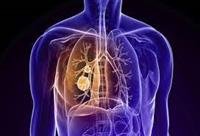
chronic obstructive pulmonary disease?
Asthma and chronic obstructive pulmonary disease may have some similar symptoms, but they are two completely different diseases. What is the difference between asthma and chronic obstructive pulmonary disease? Both asthma and chronic obstructive pulmonary disease are lung diseases caused by swelling of the airways that lead to breathing problems, but there are many differences between asthma and
And chronic obstructive pulmonary disease, which we will learn about in this article
Asthma and chronic obstructive pulmonary disease
Asthma is a disease that affects the lungs, and often begins in childhood, and is represented by temporary contractions in the airways due to inflammation of the airways.
As for chronic obstructive pulmonary disease, it is a term given to a group of pulmonary diseases, such as: emphysema and chronic bronchitis that cause obstruction of the airways.
The difference between asthma and chronic obstructive pulmonary disease in terms of causes
Asthma may result from genetic changes passed from parents to children, or due to exposure to certain triggers, such as:
Allergens, such as dust mites or animal fur.
Doing exercises.
Smoke and air pollution.
Lung infections.
Chronic obstructive pulmonary disease is often caused by long-term exposure to triggers, such as gases and smoke.
Bronchial obstruction may result from the following
Smoking or long-term exposure to smoke.
Emphysema, which results from damage to the alveoli caused by the destruction of their walls and the elastic fibers in them.
Chronic bronchitis, which is caused by inflammation and narrowing of the airways.
The difference between asthma and chronic obstructive pulmonary disease in terms of symptoms
Asthma causes many symptoms, including
Wheezing with breathing.
apnea
Coughing and feeling short of breath.
Symptoms of chronic obstructive pulmonary disease often appear after the lungs have suffered significant damage, with symptoms increasing over time.
Among these symptoms we mention the following
Wheezing
Coughing up sputum that may be green, yellow, white, or clear.
Fatigue and shortness of breath.
Swelling of the foot, leg and ankle.
Differences between asthma and chronic obstructive pulmonary disease
Despite the similarity of the symptoms mentioned above, there are a number of differences between asthma and chronic obstructive pulmonary disease, and among these differences we mention the following:
time of disease onset
Asthma symptoms appear in all ages, while the risk of chronic obstructive pulmonary symptoms increases in those over 40 years of age.
disease progression
Chronic obstructive pulmonary disease is a chronic, progressive disease. As the severity of his symptoms increases with time. As for asthma, it is possible to reverse its allergic reactions.
Self return to normal
Breathing does not return to normal in chronic obstructive pulmonary disease due to persistent symptoms. In asthma, breathing may return to normal between attacks.
phlegm
The amount of sputum produced by chronic obstructive pulmonary disease exceeds the amount produced by asthma.
Symptoms severity and progression
The severity of asthma symptoms may increase for a temporary period, with a condition called an acute asthma attack.
Chronic obstructive pulmonary disease also causes blue nails and lips.
Asthma causes nocturnal episodes of chest tightness and wheezing.
The association of the two diseases with smoking
Chronic obstructive pulmonary disease is often associated with smoking, while asthma may appear in both smokers and non-smokers.
The association of the two diseases with allergies
The risk of developing various allergic conditions, such as eczema and hay fever, increases in patients with asthma.
treatment
There is no cure for both diseases, but it is possible to treat their symptoms. Asthma is treated through the use of an inhaler that may prevent symptoms or help get rid of symptoms when acute attacks appear, and various medications such as steroids.
While the treatment of chronic obstructive pulmonary disease is mainly through smoking cessation, and the use of various medications and treatments, such as: bronchodilators and steroids.