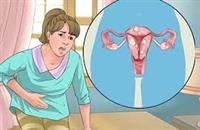

Infertility in women, infertility in men, or both is a common condition that affects about 15% of couples. Infertility is defined as the failure to achieve pregnancy despite attempting to do so through full and regular unprotected sexual intercourse over the course of one year or more. About a third of infertility cases result from disorders in women, and the second third result from disorders in men, while in the last third of cases the disorder is in both parties, or the cause of failure to conceive is not known at all.
The cause of female infertility may not be diagnosable, but there are many treatments for various disorders, and treatment is not always necessary. Because about half of the couples who suffer from infertility succeed in conceiving after two years of trying.
How pregnancy occurs
Fertilization is a complex and amazing process that requires the meeting of the sperm coming from the man with the egg coming from the woman, in order to produce the fertilized egg from which the fetus will grow.
This process requires that the egg be released from the ovarian follicle into the Fallopian tubes through a process known as the ovulation channel, of course, in addition to the need to produce healthy sperm in the man.
Symptoms of infertility in women
The main sign of female infertility is the inability to conceive, as this situation is accompanied by menstrual irregularities or periods that sometimes continue for an abnormal period.
What is meant here is a menstrual cycle that extends for more than 35 days, or for less than 21 days, and in general there are no other symptoms indicating fertility disorders.
Causes and risk factors for female infertility
In 25% of couples, there is a problem with the ovulation process in women, and this problem may be related to the length of the axis responsible for the ovulation process, starting from the hypothalamus gland and passing through the pituitary gland, to disorders in the ovary itself.
1. The causes of infertility in women
Among the most important causes of infertility in women are the following
Disorders of luteinizing hormone (LH) and follicle-stimulating hormone (FSH)
This disorder causes irregular ovulation, or improper ovulation, which is an irregular menstrual cycle and bleeding.
It is also possible that a significantly low weight, a very excessive weight, or even a significant sudden increase or decrease in weight can lead to an imbalance in the levels of the mentioned hormones, and psychological pressure and severe tension may lead to disturbances in the ovulation process.
Polycystic ovary syndrome
In this syndrome, a change occurs in several elements in the hormonal system, and these changes lead to high levels of male hormones and compromising the ovulation process.
A defect in the development of the corpus luteum (Luteal phase)
When the ovary does not produce enough progesterone after ovulation, the uterus is not able to receive the fertilized egg, so the pregnancy cannot progress.
Premature ovarian failure
The talk here is about an autoimmune disease that causes damage to the ovaries, which leads to the failure of the ovulation process, as well as low levels of estrogen in the body.
Blockage of the fallopian tubes
The fallopian tubes play the role of a mediator between the ovaries that produce eggs, and the uterus that is supposed to receive the fertilized egg. Obstruction can occur in the aftermath of infection, ectopic pregnancy in the same channel, or surgeries that were performed there and caused some adhesions.
It is also possible that a blockage occurs in the cervix as a result of a mechanical blockage resulting from an improper appearance of the cervix, or a chemical blockage represented by the failure to secrete the mucous substance that is supposed to help sperm move properly.
2. Risk factors
In most cases, the cause of the fertility problem is not identified, and therefore it is speculated that there are several small factors combined that led to the emergence of a serious fertility problem, including:
Age
With age, the quality of eggs decreases, and their quantity decreases significantly, which leads to difficulty in pregnancy and childbearing, especially with the high possibility of chromosomal disorders in the fetus.
smoking
As it harms the mucous substance present in the cervix, and also leads to disturbances in the structure of the fallopian tubes, which increases the possibility of an ectopic pregnancy, as well as there is a decrease in the number of eggs, and an early decrease in the ability of the ovaries to perform properly appears.
Many doctors insist that you stop smoking before starting fertility treatments.
the weight
Excessive or very little weight significantly affects the regularity of the ovulation process and increases the possibility of infertility in women.
A normal BMI significantly increases the ability to conceive and conceive properly.
sexual activity
The more a woman has unprotected sex with a greater number of men, the greater the likelihood of her contracting sexual diseases and the emergence of pelvic inflammation, which leads to more complications, and causes a decline in fertility and ultimately female sterility.
Drink coffee and alcohol
In women who drink too much coffee and alcohol, we notice a greater prevalence of fertility disorders and cases of female infertility.
Complications of infertility in women
Complications of female infertility
Feeling anxious.
Depression.
Diagnosis of female infertility
If a long time has passed and the couple could not conceive, they must clarify the reason that hinders this. This clarification includes:
Ovulation check
This test tests the level of hormones in the blood and is able to diagnose spikes in levels of the luteinizing hormone, which signals the ovulation process.
This examination can be performed with a home-use device purchased from a pharmacy without the need for a doctor’s prescription. It is also possible to perform a hormone test through a blood test that aims to test a wide range of hormones in various situations.
Hysterosalpingography
During this test, a substance that can be identified by imaging is ed into the cervix.
Through the image, it is possible to see the appearance of the uterus and fallopian tubes, and to diagnose various morphological and anatomical defects that hinder the occurrence of pregnancy.
Laparoscopy
During laparoscopy, an incision is made in the abdominal wall under general anesthesia, then a camera is ed into the abdominal cavity through this incision.
Through this examination, the appearance of the uterus, fallopian tubes, and ovaries can be seen.
Treatment of infertility in women
It is normal for female infertility to be treated by treating the main cause of the condition, and this treatment can be a single-drug treatment or a multi-drug treatment, depending on the difficulty of the problem, as follows are the treatment details:
1. Treatment of ovulation problems
In women who suffer from the absence or irregularity of the ovulation process, there are some treatments that re-regulate the hormonal activity that leads to a healthy ovulation process. The drugs used for this process are:
Clomiphene citrate, which stimulates the process of secretion of hormones from the pituitary gland.
Medications that increase the activity of pituitary hormones.
Metformin, which is usually used to treat diabetes, but its effect of reducing insulin resistance is necessary and vital for a healthy ovulation process.
It is important to note that these drugs have side effects that are as follows
Increased risk of multiple pregnancy.
Swelling of the ovaries to the point of pain.
Symptoms in the gastrointestinal tract.
2. Surgical treatments
When there is a mechanical obstruction in any part of the reproductive system, which includes the cervix, uterus, and fallopian tubes, there is a need for a surgical procedure to restore the ability to reproduce.
3. External in vitro fertilization
In cases where normal treatments cannot help, and the couple is concerned with an external insemination process, an egg is taken from the woman, then a sample of sperm from the man, then an external fertilization process takes place in the laboratory, after which the fertilized egg is returned to the mother’s womb to continue its growth there. .
Prevention of infertility in women
In order to prevent the occurrence of female infertility, the following must be followed
stop smoking.
Avoid consuming large amounts of caffeine and alcohol.
Refrain from falling under the influence of psychological pressure.
Maintain a reasonable weight within normal limits.