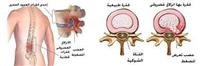

nerves
You may experience pain in the neck and back area due to the pressure of the neck vertebrae on the nerves, so what are the symptoms of the pressure of the neck vertebrae on the nerves? The spinal cord may press on the neck vertebrae, causing numbness, pain, and weakness, and may require surgery. What are the symptoms of neck vertebrae pressing on the nerves? Causes of neck vertebrae pressure on nerves
One of the most common causes of progressive spinal cord pressure on the spinal bones and nerves is aging, most often in people over the age of 50.
As for the reasons for the pressure of the neck vertebrae on other nerves, they are the following:
Abnormal alignment of the spine.
Spinal injury.
Spinal tumor.
some bone diseases.
Rheumatoid arthritis.
Symptoms of neck vertebrae pressure on nerves
Symptoms of spinal cord compression can develop quickly or slowly depending on the causes of neck vertebrae pressing on nerves, and injuries may cause tumors to develop over days or weeks.
Here are the most common symptoms
Pain and stiffness in the neck or lower back.
Burning feeling with pain that spreads to the arms and buttocks.
Numbness, cramping, or weakness in the arms or legs.
Loss of sensation in the feet.
Hand movement problem.
Weakness in the foot that may cause lameness.
Loss of sexual ability.
Pressure on nerves can cause a more serious symptom known as cauda equina syndrome. If you have any of these symptoms, seek medical attention immediately.
There are several complications of the pressure of the neck vertebrae on the nerves, including:
Loss of bowel or bladder control.
Sharp numbness in the legs.
Severe pain and weakness in both legs.
Diagnosis of the pressure of the neck vertebrae on the nerves
To diagnose spinal vertebrae compressing nerves, your doctor will ask you questions about your symptoms and perform a complete physical examination.
Tests that help diagnose you may include
X-ray of your spine (X-Ray): This image may show the bones that drive the nerves in the spine, or the image may show abnormal alignment of the spine.
Computed tomography (CT-scan) or magnetic resonance imaging (MRI): These can give a more detailed look at the spinal cord and surrounding organs.
Other examinations: such as a bone examination, myelography, and an electrical test of muscle activity.
Treating neck vertebrae pressure on nerves
The team may include arthritis specialists, orthopedic surgeons, neurologists and physical therapists.
Treatment depends on the causes and symptoms, and may include medication, physical therapy, injections, and surgery. In emergency cases such as Cauda equina syndrome or back fracture, it is preferable to have surgery.
Treatments include
Medications: These may include nonsteroidal anti-inflammatory drugs (NSAIDs), which relieve pain and swelling, as well as steroid injections, which reduce swelling.
Physical therapy: It may include exercises to strengthen the back, neck, abdomen and leg muscles. You may learn how to perform activities more safely.
Surgical treatments: By removing bone spurs and expanding the space between the vertebrae, other procedures can be done to relieve pressure on the spine or repair broken vertebrae.
Other treatments: May be helpful for some sufferers, including acupuncture and chiropractic care.
Medical Advice
Many causes of neck vertebrae pressing on nerves can''t be prevented, but you can help reduce symptoms by keeping your back as strong and healthy as possible, and by following these tips:
Do regular exercise. This will strengthen the muscles that support your back and help keep your spine flexible.
Learn how to lift heavy objects safely.
Sit in a chair that supports the natural curves of your back.
Maintain a healthy weight, as obesity puts more pressure on your back.