
Smallpox is an infectious inflammatory disease caused by a virus called the smallpox virus (Variola virus).
Smallpox is a deadly disease, to the extent that if smallpox is confirmed, it is very important not to approach people infected with the virus. You should go for medical treatment immediately.
Smallpox symptoms
Symptoms generally begin to appear 12 days after infection with the virus, and the most prominent symptoms of smallpox are the following:
General feeling of smallpox disease.
Fatigue and emaciation.
A very sharp rise in body temperature.
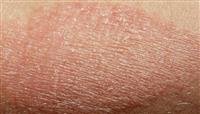
severe rash on the skin
Back and head aches.
Two to three days after the general feeling of smallpox disease, a rash with red flat spots begins to appear. The rash begins to appear in general on the face and upper arms, and then spreads throughout the body.
After about two to three weeks, the flat spots of red color become more solid, topped with cupules filled with pus, then each cupule is covered with a scab, that is, the crust of the wound (Scab / Crust), and these scabs usually disappear after 3-4 weeks from the moment the rash appeared, leaving behind scars.
Some may confuse smallpox with an acute case of varicella, that is, chickenpox (Varicella), but the two viruses that cause these two diseases are completely different from each other.
Causes and risk factors for chickenpox
Smallpox is a very contagious disease where the disease is transmitted from one person to another by coughing, sneezing or breathing, as well as by contact with scabs or wound secretions, and more than that, smallpox may also be transmitted by touching the personal items or bed linen of a person infected with the disease. Smallpox.
Smallpox spreads very easily during the first week of the appearance of the rash, and when scabs form, the possibility of transmitting the infection decreases, but a person infected with smallpox is able to spread the virus from the moment the rash appears until the moment the scabs fall off.
In the event of a certain incident during which a person releases a small amount of smallpox virus into the air, the viruses are likely to spread to infect a very large group of people, as this virus has the ability to survive and infect for a period of 6 hours to 24 hours depending Due to the weather, hence those who have been infected with the virus must stay away from other people to prevent the virus from spreading further.
Complications of smallpox
Most patients who survive smallpox have extensive scarring of the skin. Other complications may include:
Eye problems including corneal ulceration and blindness.
bronchial pneumonia
arthritis.
Osteomyelitis.
Smallpox diagnosis
If the doctor suspects the presence of smallpox, he directs the patient to conduct a blood test to verify the diagnosis of the condition, and in the event that the detection of the smallpox virus is confirmed, a general international warning is issued.
When confirming the spread of the virus, the treating doctor can confirm the diagnosis without the need to conduct any laboratory examination, as the doctor examines the skin rash and asks the patient some questions about the symptoms and about the possibility of exposure to the virus.
Smallpox treatment
To date, there is no medicine to treat smallpox. Treatment of smallpox includes drinking enough fluids and taking medications to balance body temperature and relieve pain. To limit the spread of infection, a person who has had smallpox must avoid contact with others or approach them until the infection period ends.
Smallpox prevention
People who have been infected with the smallpox virus develop immunity to it and cannot be infected with it again. A vaccine against the smallpox virus is also available. The vaccine contains the cowpox virus (Vaccinia Cowpox), which is similar in composition to the smallpox virus, but is safer than it.
If a person receives the vaccine before contracting the smallpox virus, he gets protection that lasts between 3-5 years, and if the person receives another additional vaccine later, he gets protection for a longer period.
The vaccine provides protection even if the patient did not receive it before infection, as the majority of people get the vaccine within three days from the moment of exposure to the virus, and they do not show any symptoms of the disease, and if they appear, they are minor, and receiving the vaccine within 4-7 days from the moment of infection with the virus It may also be useful.
In the past, when it was confirmed that smallpox was infected, infected people were kept away from others to avoid the spread of smallpox, and anyone suspected of being infected with the virus was vaccinated. This approach, which was called the natural vaccination method, contributed to the eradication and elimination of smallpox, and it is believed Today, experts say that it is preferable to adopt the natural method of vaccination rather than the mass vaccination method, even if smallpox returns and spreads again these days.
Due to the severe symptoms and side effects caused by the vaccine compounds, smallpox vaccination is not performed as part of the regular vaccination programme.