Infectious diseases arise when contaminated foreign bodies enter the human body. These foreign bodies are germs, viruses, fungi, or parasites.
These bodies are transmitted through infection from another human being, animals, or contaminated food, or from exposure to any of the environmental factors that are contaminated with any of these bodies.
Infection may cause mild symptoms, and therefore treatment does not require more than home treatment. On the other hand, there are serious cases that may cause death.
Symptoms of infectious diseases
Pollution causes many different symptoms, but the majority of infectious diseases may carry the following symptoms:
Symptoms of infectious diseases
body''s temperature raising.
Anorexia.
Weakness.
muscle aches
Causes and risk factors of infectious diseases
There are many causes and factors that cause infectious diseases, learn about them as follows:
Causes of infectious diseases
There are many causes of infection, including the following
1. Bacteria
They are single-celled organisms that cause a wide range of diseases, from mild diseases such as streptococcal laryngitis or infection in the urinary tract, to severe and difficult diseases such as various fevers or inflammation of the membranes of the brain.
2. Viruses
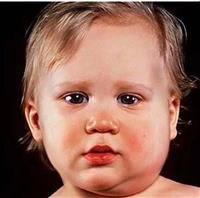
The virus is a living organism that is smaller than the germ, and does not have the ability to live independently. Viruses cause many diseases, including: widespread diseases, such as: the common cold, and very rare types such as AIDS.
3. Fungi
Fungi usually cause many skin diseases, such as tinea capitis, or finger fungus. Fungi may cause difficult diseases that affect different systems in the body, such as the respiratory system or the nervous system.
4. Parasites
Parasites cause diseases such as malaria or river blindness, which are less common in Western countries.
Methods of infection with infectious diseases
The infection may be transmitted directly or indirectly, as follows
1. Direct transmission methods
Infection may be acquired through direct contact, that is, when contacting a person carrying a contaminated agent infected with a disease, such as:
Exposure to another sick person. Transmission of infection from a sick person may be through direct contact or through bodily fluids.
Exposure to animals carrying contaminated agents, which are transmitted to humans upon receiving a bite from the infected animal, or by touching exposure to its secretions.
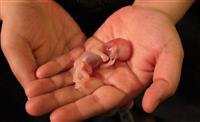
Transmission of the infection to the fetus if the pregnant mother was infected through the umbilical cord, or at the time of childbirth through the birth canals.
2. Indirect transmission methods
Infection may also be transmitted indirectly when the vector is a carrier of the contaminated agent but is not infected with the disease, such as:
Touching contaminated surfaces.
Eating food containing pollutants.
Exposure to a carrier of the polluting factor, such as: mosquitoes, fleas, and lice.
3. Risk factors
All people are susceptible to infection, but the risk of infection in people with low immunity is greater. Groups of people who are more at risk of infection than others include the following:
People with autoimmune diseases.
People who are taking steroids.
People receiving anti-cancer treatments.
People who have had organ transplants.
HIV patients.
Complications of infectious diseases
The infection usually ends quickly and without the need to receive specific treatment, and even sometimes the patient does not feel any symptoms of disease when infected with these diseases.
Various symptoms and complications are possible, such as
Permanent damage to one of the organs of the body, such as: pyelonephritis.
Damage to other organs different from the source of infection, such as: rheumatic fever.
Some infectious diseases may increase the risk of other diseases, such as: human papillomavirus (HPV), which may cause uterine cancer.
Inflammation of the lungs.
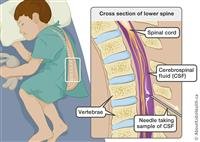
Meningitis.
AIDS.
death.
Diagnosis of infectious diseases
A large number of body systems are affected by the infection, so the tests necessary to diagnose the infection are different according to the expectations of the attending physician. Infectious diseases are detected by the following methods:
Diagnosis of infectious diseases
1. Blood test
It is possible to find signs of infection in the body through a blood test when conducting a white cell count. In some cases, this test is sufficient to detect the type of infection.
2. Urine test
This test is important when diagnosing infections that affect the urinary system, but it goes beyond that to detect infectious diseases in other body systems.
3. A throat swab
This test is usually used to diagnose infections that affect the throat area, and other diseases that affect the respiratory system.
4. A photographic test
Some cases require imaging tests, such as X-rays, computed tomography (CT), or magnetic resonance imaging (MRI).
5. Biopsy
Diagnosis is made by taking a sample from the affected area.
Treating infectious diseases
There are different types of treatments that are appropriate to the cause in particular, and they are as follows:
1. Antibiotics
To treat diseases caused by bacteria, so that each type has a different type of antibiotic.
The main problem with the use of antibiotics is that exposure to antibiotics increases the ability of bacteria to resist these antibiotics, so it is important to use antibiotic treatments in a balanced manner.
2. Antiviral treatments
It depends on the treatment of diseases caused by viruses, and there is no specific treatment for all types of viruses.
Treatments are available against the herpes virus, influenza virus, hepatitis viruses of all kinds, and HIV.
3. Antifungal treatments
Ointments are used to treat skin infections caused by fungi, while antifungal treatments (Antifungal) are taken orally or intravenously if the fungal infection is in the internal organs.
4. Parasite treatment
In the event of infection with parasites, various treatments are available, the most famous of which is the treatment of malaria by means of the Quinine group.
Prevention of infectious diseases
Many steps can be taken to reduce the risk of infectious diseases, including
cleaning hands
Especially before eating, after touching unprocessed foods, before eating a meal, after touching sick people, and when leaving the bathroom.
Receiving vaccinations
Many vaccinations are available to prevent many infectious diseases caused by germs or viruses. Receiving these vaccinations is very important to prevent infection, especially in children and the elderly.
Maintain cleanliness in the kitchen
Especially when preparing food and refraining from leaving uncooked foods for a long time in the kitchen without keeping them at an appropriate temperature.