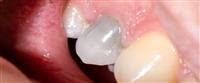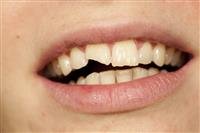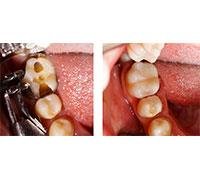
Dental cavity filling aims to repair damaged teeth that have been damaged as a result of decay and gradual erosion due to a low level of hygiene in the mouth. It may also aim to repair cracked teeth within what is called dental restoration.
There are many signs that indicate tooth decay and its need for filling, such as the following:
Toothache.
Excessive sensitivity to heat or cold.
Swelling of the gums or neck.
Risks of performing the operation
Dental filling procedure is associated with many complications, such as the following
pollution.
Bleeding
in blood pressure
Injury to the nerves in the neural canal.
Sensitivity to heat and cold in the oral cavity.
prior to the operation
The doctor usually asks the patient to take a dental X-ray, or a panoramic image, in order to accurately diagnose dental disease.
People who are at risk of developing endocarditis, such as: owners of artificial valves, and patients who have undergone heart transplantation, are given some antibiotics before the operation to avoid any complications.
during the procedure
Dental fillings are performed in the dental clinic under conditions of complete sterilization, and the filling process may take more than one session, the duration of each of which ranges from 20 to 30 minutes, in the event that there are a number of teeth that need treatment, and this is done through the following:
Local anesthesia.
Opening the tooth enamel and removing the decay that has accumulated in it with special tools, then radically removing the damaged tooth tissue.
Filling the resulting cavity with a special material usually consisting of a group of minerals after drilling the layers of the tooth in a way that allows it to be filled, where the layers of filling are ed slowly, to allow each layer to dry and close in the best way.
Post-operation
The patient should avoid eating or drinking for two hours after the procedure. After the first day of treatment, he may suffer from pain in the area. Therefore, pain relievers can be used as needed.
The patient must take care of oral hygiene to avoid any complications after the operation, using brushing and radical cleaning with dental floss and cleaning tools.
Sometimes the doctor may recommend taking antibiotics after dental treatment, when there is inflammation or infection in the area, and you should go to the doctor directly if some symptoms appear, such as: high temperature, severe pain, bleeding or secretions from the mouth.