information
Orthodontics treats many problems related to the teeth and jaws, and the result and impact of orthodontics on the appearance of a smile makes orthodontics an experience worth suffering. Let''s learn about the most prominent types of orthodontics:
If you want to resort to orthodontics, or if you are in the process of installing braces for your child, here is a list of types of orthodontics that you can choose between, depending on the situation and in agreement with the dentist:
1. Traditional metal braces
This is the most common type and the braces are all-metal. Of all the types, metal braces are the least expensive, and in many cases the fastest and most effective.
2. Ceramic braces
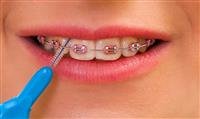
This type of orthodontics is characterized by the fact that the braces that are attached to the tooth are made of a light-colored ceramic material to take on the color of the teeth, and the wires used are usually metallic or made of a certain light-colored material.
The distinctive color of ceramic braces makes them one of the types that are not easily noticed on the teeth, but this comes with a cost. Ceramic braces are expensive and must be carefully cleaned so that they do not change color.
It is worth mentioning here that ceramic braces help move teeth faster than transparent braces.
3. Internal orthodontics
One of the types of orthodontics that some may prefer Because they are completely hidden behind the teeth, the so-called lingual orthodontics, and here the braces are attached to the inner side of the tooth and are not visible, and the wire is passed through these bras from the back of the teeth.
However, this type comes with some disadvantages that you should know before you think about choosing it, as it is difficult to clean the internal braces completely, and it is also expensive and does not suit all cases, and if it suits the case, it may take a longer time to achieve the desired results.
4. Transparent braces
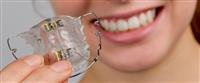
This type consists of a complete transparent template that is designed specifically for the patient’s teeth, and is changed every two weeks. Almost a full orthodontic journey here requires approximately 18-30 different templates that are changed every several weeks with changing distances between the teeth and changing the occlusion with the movement of the teeth from their place.
Although this type of braces is almost transparent and unnoticed by others, it can be expensive and not suitable for all cases, and it may take a very long time to achieve the desired results.
The importance of orthodontics
After we have mentioned the most prominent types of orthodontics that an individual can use, it is necessary to note now the importance and benefits of using these different types of orthodontics, i.e. the intended goals of using it.
Orthodontics is a special type of tool that dentists use for many cosmetic and medical purposes, and these are the most important goals that orthodontics are used to achieve:
Gradually moving the teeth from their place, and obtaining a smile in which the teeth are lined up on a regular basis.
Improving the occlusion of the jaws and the occlusion of the upper and lower jaw teeth to each other.
Widening the jaws or moving the prominent front teeth back.
Orthodontic components
Orthodontics consists of the following
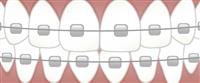
Small metal pieces (braces) that are attached directly to the tooth. They are usually hollow on the inside and have a hook that can be opened.
A metal wire is ed in the middle of the metal pieces attached to the tooth to connect all the braces attached to the teeth of the jaw, and this wire is pulled from time to time to bring the teeth closer together.
Sometimes the dentist may have to use other tools and techniques with orthodontics, such as: jaw expander, which works to improve the appearance of the jaw bones and expand the range of bites and smile.
duration of orthodontics
Before doing dental implants, the urgent question that constantly arises is how long it may take for orthodontics to achieve results. There is no unified answer to this question, as the matter varies from person to person depending on several factors, such as:
the age.
The nature of the problem that the orthodontist has to treat.
Types of orthodontics used.
Voids and spaces between teeth.
Health condition of teeth, mouth, jaws and gums.
The extent to which the patient adheres to the doctor’s instructions accurately.
But it is worth knowing that in general, the duration of orthodontics ranges from 1 to 3 years.
Maintaining and cleaning orthodontics
After installing orthodontics, it is preferable to follow the following steps and tips to protect orthodontics from any damage and in order to be able to achieve the desired results in a faster period:
Avoid foods that may stick to the gums and teeth, such as: hard candy, popcorn, and chewing gum.
Avoid various sugars and carbonated drinks in particular, which may damage tooth enamel.
Do not neglect dentist appointments, and always visit your doctor at the appropriate time.
Brush teeth thoroughly after each meal with a toothbrush, toothpaste, dental floss, or toothpicks specially designed for orthodontics.
Make sure to schedule a dental cleaning appointment with your dentist at least twice a year.
What''s next for the calendar?
After removing the braces and obtaining the desired result, there is a final final stage that should not be neglected, which is the fixation stage. Here, a special tool called the dental retainer is designed, which is worn after completing the braces to prevent the teeth from returning to their places and keeping them stable.
There are two known types of dental retainers
Movable dental retainer: It is usually in the form of metal wires or a plastic mold that can be worn or removed at any time.
Fixed denture retainer: It is usually attached behind the teeth with an adhesive, and is the most effective.