of prevention
There are a group of diseases that are more prevalent during the school season among children, as they are easily transmitted through infection. Get to know them in this article.
The chances of contracting diseases increase during the school season, so precautions must be taken to protect the child from common infectious diseases that are easily transmitted from one child to another.
Reasons for the spread of infection in schools
There are several reasons that lead to the spread of infection in schools, namely
Students crowding in one place: The greater the number of students in one class, the greater the chances of infection spreading and the transmission of bacteria and viruses, especially with lack of ventilation when feeling cold.
Touching surfaces and touching the face: Children usually touch various surfaces at school, whether their desks or handles, faucets, etc., which can easily transmit germs and infection to them.
Dry air: Dry air increases in the winter season, which increases the chances of contracting diseases, especially with the increase in the number of students and the lack of their immunity.
What are the most common diseases in schools?
Here are the most common diseases that spread in schools
1- The common cold
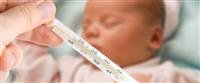
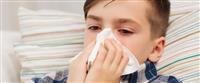
The common cold easily spreads in schools, and is accompanied by a group of symptoms such as sneezing, sore throat, headache, and coughing. The child may also develop a runny nose and fever, according to the severity of the condition.
In the event that the fever persists for more than 5 days or nausea and diarrhea develop, this means that the condition has developed and the possibility of complications such as pneumonia.
For the treatment of colds, it is recommended to drink warm fluids and get rest to speed up recovery.
2- Influenza
Influenza is one of the most common diseases among children in schools, and it is more severe than the common cold, as it is accompanied by body aches, chills, headache, sore throat, coughing, in addition to a high temperature.
Other symptoms may appear, such as vomiting and diarrhea.
The influenza patient needs to rest and drink warm liquids, in addition to foods that enhance the functioning of the immune system, in addition to the medicines prescribed by the doctor.
3- Pink eyes
Pink eye disease is easy to transmit from one child to another, as it is an infectious viral disease, usually associated with allergies, and leads to eye irritation and sensitivity to light with eye swelling and tearing.
To treat pink eye disease, an antibiotic eye is prescribed to eliminate the virus.
4- Chickenpox
Chickenpox is a disease that spreads in schools, especially in the spring season.
It is an infectious disease accompanied by a group of symptoms similar to influenza, with fever and fatigue, then red grains begin to appear on the skin in various parts of the body, and cause itching, then covered by crusts to begin to fly at the end of the disease stage.
Chickenpox disease requires complete rest for the patient and isolation to prevent the spread of infection, with the use of skin soothing to reduce the feeling of itching, and the disease usually disappears two weeks after its appearance.
5- Measles
Measles also spreads during the school season, and it is an infectious disease caused by the measles virus, and it appears in the form of a rash and white spots inside the mouth, and it may lead to serious complications such as sore throat, pneumonia, and encephalitis.
It is necessary to stay at home during the infection period, as there is no treatment for measles, but compresses must be applied in the event of a high temperature, and sometimes the child needs an antibiotic to treat the complications of the disease.
6- Head lice
They are small insects that multiply rapidly and feed on the blood in the scalp. Lice are easy to transmit from one child to another, as they are fast growing, cause itching, and need time to eradicate them.
Some topical medications help treat head lice until they are completely eradicated.
Ways to prevent school diseases
Some methods help prevent diseases that spread during the school season, and they are
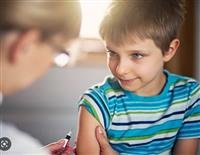
Obtaining the necessary vaccinations: Although they do not completely prevent disease, vaccinations reduce the chances of contracting them, such as the influenza vaccine, measles vaccine, and chickenpox vaccine.
Personal hygiene: It is necessary for the child to get used to taking care of his personal hygiene and washing hands well before eating and after touching any surface in the school, while warning him not to put his hands on his face to prevent any infection from being transmitted to him.
Hair hygiene: Care must be taken in the cleanliness of children’s hair to prevent them from head lice. It is preferable to tie children’s hair so that insects do not easily move from one hair to another.
Eating healthy food: Healthy, balanced food and drinking water play a major role in preventing various diseases, as it enhances the health of the immune system and its functions in fighting infection. Exercising is also important for maintaining the health of the child and preventing him from diseases.
Not sharing personal tools: One of the important things that a child should be warned against is sharing personal tools with others or using tools belonging to another child, as this can expose him to infectious diseases.