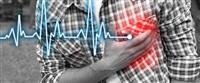
Heart diseases may affect any of the functions of the heart and any of the parts of the heart, and the most common heart disease is coronary syndrome or coronary syndrome in its various forms.
Coronary blood vessels are the blood vessels located on the outer side of the heart muscle and their function is to deliver blood to the heart itself.
When does heart disease occur?
When there is a process of hardening and accumulation of a mixture of calcium and fats inside the coronary blood vessels, or when a constriction occurs in these blood vessels, there is a possibility of a narrowing in their hollow, which impedes the delivery of blood to the heart muscle.
Any damage to the heart muscle or its ability to contract may cause a temporary or permanent decrease in the heart''s ability to contract.
When the heart''s ability to contract is damaged, there is a decline in the pumping of blood to vital organs in the body, as this process of narrowing of blood vessels causes angina pectoris, and if permanent damage occurs to the heart muscle, then a myocardial infarction is generated.
Those who suffer from angina pectoris or myocardial infarction may feel pain or pressure on the chest wall, sometimes accompanied by sweating, a feeling of suffocation, shortness of breath, nausea, and a feeling of general general weakness, as this situation constitutes an emergency that requires urgent medical intervention.
Symptoms of heart disease
Symptoms of heart disease vary according to the disease, and they are as follows
1. Symptoms of cardiovascular disease
Cardiovascular disease results from narrowing, blockage, or hardening of the blood vessels that cause the heart, brain, or other organs in the body to not receive enough blood.
Symptoms of cardiovascular disease include
pain in chest.
shortness of breath.
Numbness, weakness, or a feeling of coldness in the legs and arms.
2. Symptoms of heart disease caused by arrhythmias
Arrhythmia is an irregular heartbeat that may include the heart beating at a higher than normal rate, at a lower rate than normal, or irregularly.
Symptoms of heart disease associated with arrhythmias include the following
Flutter in the chest.
Tachycardia.
Slow heartbeat.
pain in chest.
shortness of breath.
Dizziness.
Fainting or a state close to it.
3. Symptoms of heart disease caused by a heart defect
An acute congenital heart defect can usually be detected within hours, days, weeks, or months after birth. Symptoms of heart disease include:
Light gray or blue leather.
Swelling in the abdomen, legs, or around the eyes.
Shortness of breath while eating, which causes insufficient weight gain.
Less severe and serious birth defects are often diagnosed only late in childhood or even in adulthood. Symptoms of congenital heart defects that do not pose an immediate life threat include:
Ease of shortness of breath as a result of physical or athletic activity.
Ease of feeling tired as a result of physical activity or sports.
Fluid buildup in the heart or lungs.
Swelling in the hands, ankles, or feet.
4. Symptoms of heart disease caused by cardiomyopathy
Cardiomyopathy means that the heart muscle becomes thicker and stiffer, and sometimes in the early stages of cardiomyopathy there are no symptoms at all.
As the disease becomes severe and worsens, symptoms may include the following
Shortness of breath when exerting or even resting.
Swelling of the legs, ankles, and feet.
Abdominal swelling due to fluid accumulation.
exhaustion.
heart rhythm disorder
dizziness, fainting
5. Symptoms of heart disease caused by inflammation
There are three types of inflammation in the heart
Pericarditis is inflammation of the membrane that covers the heart.
Myocarditis, which affects the middle layer of the heart muscle.
Endocarditis, which affects the inner membrane that separates the chambers of the heart and its valves.
Symptoms of heart disease caused by inflammation in the heart vary according to the type of infection, and include:
Fever.
shortness of breath.
weakness or tiredness
Swelling in the legs or in the abdomen.
Changes in the rate of the heartbeat.
Dry or persistent cough.
Rash or unusual spots.
6. Symptoms of heart disease caused by a problem with the heart valves
There are four valves in the heart
Aortic valve.
The mitral valve.
Pulmonary valve.
The tricuspid valve.
All heart valves open and close to direct blood flow through the heart. Heart valves can be damaged by several factors that lead to narrowing, leakage, abnormal flow, insufficiency, or incomplete closure.
Symptoms of heart disease caused by damage to the heart valves vary depending on which heart valve is affected and include:
exhaustion.
shortness of breath.
Arrhythmia or hearing heart murmurs.
Swelling in the palms of the feet or in the ankles.
pain in chest.
fainting.