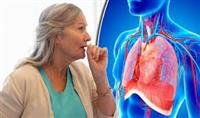

Lung contraction or pneumothorax occurs as a result of a change in air pressure in the lung, which may be accompanied by symptoms ranging from mild to severe, in the following details:
Pneumothorax is one of the problems that may affect the respiratory system, so what do you know about lung contraction? Here is this article to learn the most important information about lung contraction.
lung contraction
Lung contraction or what is called lung atelectasis or pneumothorax, a condition that appears when air leaks into the space between the chest wall and the lung, as the air presses on the lungs from the outside, and thus causes the lung to empty and collapse, where the lung contraction affects a specific part of the lung or may It causes complete lung deflation.
Types of lung contractions
There are several types of atelectasis, as a person may be affected by one or more types of them, as these types include the following:
Simple atelectasis: When this type occurs, the tissues and organs between the lungs are not moved.
Primary spontaneous collapse: This type occurs without an apparent cause.
Secondary atelectasis: where this type occurs as a result of a certain disease that leads to the continued entry of air into the lungs.
Pulmonary collapse due to trauma or injury.
Symptoms of a retracted lung
No symptoms may appear in mild cases of lung contraction, however, you may sometimes notice symptoms associated with lung contraction, as the severity of these symptoms ranges from mild to severe, as these symptoms include the following:
Chest pain and tightness in the chest.
cough.
general fatigue.
Increased heart rate.
Increased breathing rate.
shortness of breath.
bluish color of the body
Causes of lung contraction
In some cases, lung collapse may occur for no apparent reason, and in this case it is called spontaneous asystole (Spontaneous collapsed lung), but lung contraction often occurs as a result of many reasons, as these reasons include the following:
Suffering from an injury in the chest area, such as a knife wound, a gunshot wound, a broken rib, or after various medical procedures.
A change in air pressure can cause the air blisters that surround the lung to burst, thus sending air to the periphery of the lung.
Being tall and thin is one of the factors that increase your risk of developing lung collapse.
smoking.
Respiratory diseases, such as chronic obstructive pulmonary disease, asthma, tuberculosis, whooping cough, and others.
Diagnosis of pulmonary edema
Lung shrinkage is diagnosed using a chest x ray, and sometimes a computerized tomography scan is used to obtain more detailed images of the chest.
Lung shrinkage treatment
The treatment of atelectasis depends on the cause, the size and strength of the contraction, as treatment methods include the following:
Follow-up: Patient follow-up may be sufficient in cases of mild pneumothorax, as it requires continuous follow-up of symptoms.
Oxygen: The patient may need oxygen only in mild cases, with symptoms monitored and X-rays returned.
Needle aspiration: This procedure is done by ing a needle into the chest cavity to suck out air and get rid of it.
Percutaneous chest tube: It is used in cases of severe pneumothorax or the appearance of severe symptoms on the patient, as it is done by ing a small plastic tube into the chest cavity to withdraw air.
Thoracotomy: Air aspiration may be done through a complete surgical incision of the thorax and ion of the tube to extract air from the thoracic cavity.
Thoracoscopic surgery: This procedure is done by video, as a small fiber optic camera is ed after a small incision is made in the chest area.