
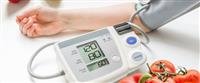
according to age?
Normal blood pressure according to age is one of the important things that can result from its imbalance in many health problems. Here are the most important facts:
The normal blood pressure rate according to age is an important issue that must be recognized, because blood pressure is one of the important things that can result from its imbalance in many health problems.
Therefore, in this article, we will present to you the most important facts about normal blood pressure:
What are normal blood pressure rates by age?
The following table shows the average normal blood pressure by age, as well as by gender
Age Normal blood pressure for women (mmHg) Normal blood pressure for men (mmHg)
19-24 120/79 120/79
25-29 120/80 121/80
30-35 122/81 123/82
36-39 123/82 124/83
40-45 124/83 125/83
46-49 126/84 127/84
50-55 129/85 128/85
56-59 130/86 131/87
60 and over 134/84 135/88
How is blood pressure measured
Blood pressure is measured in a unit called millimeters of mercury. Normal systolic pressure ranges from 90 to 140 mm Hg for middle-aged adults, and diastolic pressure ranges from 60 to 90 mm Hg. The average pressure is 120 mm Hg.
When the heart muscle contracts, blood is pushed into the aorta, which expands laterally to allow blood to pass through it, and the blood pressure of the blood vessels through which it passes in this case is known as the systolic pressure.
As for diastolic blood pressure, when the heart muscle relaxes, the aorta returns to its normal position, pressing on the blood it contains to ensure the continuation of blood flow to the heart. This condition is known as diastolic pressure.
Factors affecting the normal blood pressure rate
After we explained to you what is the normal blood pressure rate according to age, here are the factors that play a role in the normal blood pressure readings, the most prominent of which are the following:
1. Genre
According to the National Institute on Aging, males are more likely to have high blood pressure before the age of 55, while normal blood pressure for women tends to be higher after menopause.
Doctors believe that the hormonal changes that occur to women with menopause are the reason behind the high rates of high blood pressure.
It is known that the estrogen hormone plays an important role in preventing arterial diseases, and female hormones help facilitate the expansion of arteries and improve blood pumping compared to men.
With the entry of women into the fifties (and sometimes before that), estrogen production declines clearly, and the risk increases in the presence of other factors, such as: lack of movement and weight gain.
2. Aging
With age, the normal blood pressure for the elderly and adults over the age of fifty begins to deviate from its normal range.
Systolic blood pressure tends to increase exponentially with age due to arteriosclerosis and blood vessels, which impedes the passage of blood through the circulatory system to all parts of the body.
An increase in systolic blood pressure is a major risk factor for heart disease, and this means that older people need to be more vigilant about monitoring their blood pressure.
3. The genetic factor
Having a history of blood pressure disorder in the family may increase the risk of developing high blood pressure.
The acceptable explanation may be that heredity prepares the climate for this to happen, which in turn leads to an abnormal increase in the element calcium in the body, which is the main cause of blood pressure, and if the food element is added to that, then the disease will appear.
4. Other factors
Some factors that may affect the normal blood pressure rate according to age include the following:
stress and anxiety
Sitting in the position of the leg above the leg for long periods.
Eat meals before taking a blood pressure test.
Drink some drinks that contain high levels of caffeine.
Excessive drinking of alcohol or tobacco.
How do you maintain a normal blood pressure rate?
Normal blood pressure
Here are some tips to help you maintain a normal blood pressure level, depending on your age or any other factor:
1. Eat a balanced diet
Eat a diet rich in fresh fruits and vegetables, whole grains, nuts and seeds, and lean protein sources such as fish and beans.
This would contribute to maintaining normal blood pressure and heart health.
Make sure to avoid processed foods and red meat, and cut down on sugar and saturated fat.
2. Reduce your salt intake
Eating too much salt throws off the balance of sodium and potassium in the body, which increases fluid retention and stress on the kidneys and the blood vessels that serve them.
Potassium rich foods such as Potatoes, bananas, avocados, sweet potatoes, and green vegetables will help mitigate the effects of sodium.
3. Aerobic exercise
Make sure to exercise to keep your blood pressure in the normal range.
This is because exercise causes the body to release nitric acid, which helps blood vessels dilate and reduce blood pressure.
Regular activity also helps in losing weight, lowering bad cholesterol, reducing stress, and maintaining heart health.
4. Quit smoking
Smoking increases blood pressure and heart rate and increases the risk of a heart attack or stroke because nicotine narrows and hardens the arteries.