Endometriosis is a medical phenomenon prevalent in 1% - 2% of women of fertile age in most cases.
All you need to know about endometriosis is provided to you in the following
Endometriosis
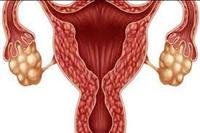
It is a pathological condition that affects the female reproductive system, and it is the growth of tissue similar to the tissue that lines the uterus from the inside, i.e. the lining of the uterus, in areas outside the uterus. The prevalence of this disease in women is approximately 1% - 2%, and about 75% of cases of this disease appear at the age of 25 - 45 years old.
The most common areas where points of endometrial tissue can be found are the ovaries in about 50% of cases, then the fallopian tubes, and then the tissues lining the pelvis. Less commonly, however, these centers can also be in the abdomen, and may even reach the lungs, navel, and lining of the nose, and may leave scars after a cesarean section.
What are the symptoms of endometriosis?
Symptoms of endometriosis include the following
Infertility in 30-40% of those suffering from endometriosis. In infertile women, the most obvious cause is endometriosis in about 15 to 25%.
Ovulation problems.
Dysmenorrhea and pain during menstruation. These menstrual pains may be so strong that they cause weakness.
Dyspareunia and pain during intercourse.
Chronic pelvic pain.
lower back pain.
Pain during urination or defecation, especially during menstrual periods.
What are the causes of endometriosis?
Although the main causes of endometriosis are not certain, there are some possible explanations, including:
1. Retrograde menstruation
In this case, menstrual blood that contains parts of the lining of the uterus flows through the fallopian tubes into the pelvic cavity instead of leaving the body.
This tissue adheres to the wall of the menstrual cavity and to the surfaces of the organs in the pelvis as it grows, thickens, and bleeds over the course of each menstrual cycle.
2. Transformation of peritoneal cells
It is a theory in which experts suggest that the cells lining the inner side of the abdomen turn into endometrial cells.
3. Surgical scar implantation
After pelvic surgeries such as hysterectomy or caesarean section, endometrial cells stick to the anal fissure.
4. Endometrial cell transport
Where blood vessels or lymph fluid transport cells from the lining of the uterus to other parts of the body.
5. Immune system disorder
A problem with the functioning of the immune system results in the body''s inability to recognize and destroy endometrial tissue that grows outside the uterus.
Diagnosis of endometriosis
The suspicion that a woman has endometriosis arises on the basis of her clinical symptoms. Women with a family background are referred to early diagnostic and follow-up examinations more than other women. In such a situation, the diagnosis is made early, unlike other cases where the diagnosis is made very late.
It is very common today that a very long period may pass between the onset of symptoms and the confirmation of the diagnosis and the provision of treatment, which lasts between 8 to 10 years.
In the next stage, the doctor performs an ultrasound examination, by which these centers are not often detected and therefore the absence of positive results in this examination does not completely negate the presence of this disease.
The only way to diagnose endometriosis completely and definitely is by taking a biopsy from suspicious centers through laparoscopy and examining the sample in the laboratory.
What is the treatment for endometriosis?
There are surgical and medicinal means that can greatly reduce the symptoms of the disease. Treatment is determined according to different conditions and features such as the age of the woman, the severity of the disease, and others. Explanation in the following:
1. Pain relievers
Your doctor may recommend over-the-counter pain relievers such as non-steroidal anti-inflammatory drugs (NSAIDs) that help relieve symptoms associated with endometriosis.
2. Hormonal therapy
Which helps reduce the amount of estrogen that the body secretes, thus stopping menstruation and bleeding resulting from endometriosis.
Hormonal therapy includes birth control pills, gonadotropin-releasing hormone (Gn-RH) agonists, and progesterone-only contraceptives.
3. Surgery
Where surgery is performed to remove as much infected cells as possible, and in some severe cases, the doctor may have to perform surgery to remove the uterus, ovaries, and cervix.
Additional information about endometriosis
Endometrial tissue responds to hormones. Changes in the secretion of hormones occur in a woman’s body during the menstrual cycle, as the endometrium bleeds during menstruation in response to these changes in hormones, and parts of the endometrium that are out of place also respond to these changes.
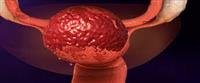
Thus, internal bleeding occurs, and there is no place for its drainage. These centers can local inflammation, which may progress to the formation of abscesses. If the focus is in the ovaries, this may form a tumor called endometrioma.