them
What are the symptoms of stomach and colon ulcers? How can this type of health problem be diagnosed? Important information and details that we present in the following article.
In the following, we will discuss the symptoms of stomach and colon ulcers and some important information about them:
Symptoms of stomach and colon ulcers: an important introduction
First of all, we have to point out an important thing. It is that stomach ulcers and colon ulcers are two different conditions. Here are the details:
1. Stomach ulcer - Gastric ulcer
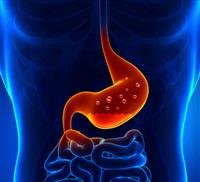
A stomach ulcer is a type of peptic ulcer. A peptic ulcer may affect the stomach, in what is known as a stomach ulcer, or it may appear in the upper part of the small intestine, in what is known as a duodenal ulcer.
In normal cases, the lining of the stomach is enveloped by a mucous layer that protects it from the influence of digestive juices, but certain factors may lead to the start of fading and eroding this layer, which gives an opportunity for digestive juices to infiltrate and cause damage to the tissues of the lining of the stomach, such as the following factors:
Exposure to Helicobacter pylori.
Frequent use of certain pain relievers.
Infection with certain diseases in some organs of the body, such as: kidneys, liver, and lungs.
Adopting harmful habits, such as drinking alcohol and smoking.
Stomach ulcers can be cured if the patient receives the necessary care.
2. Colon ulcers
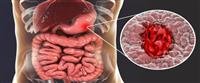
Colon ulcers usually appear in people with ulcerative colitis. Ulcerative colitis is a disease that can lead to inflammation and sores in the lining of the colon and rectum. Ulcerative colitis is one of several diseases that fall under the umbrella term inflammatory bowel disease.
Ulcerative colitis usually arises as a result of the immune system attacking the lining of certain areas of the gastrointestinal tract by mistake, and genes and heredity often play a role in the emergence of this disease, and certain factors can cause irritation of the condition to show a bout of disturbing symptoms, such as these factors:
eating certain foods
Stress.
There is no definitive cure for ulcerative colitis, but some treatments can keep the disease under control.
Symptoms of stomach and colon ulcers
Here are the details
stomach ulcer symptoms
While discussing the symptoms of stomach and colon ulcers, we should point out that small stomach ulcers may not cause any symptoms, but when symptoms do appear, these are the most prominent expected symptoms:
1. Pain between the navel and breastbone
The feeling of pain or discomfort between the navel area and the breastbone is one of the most prominent symptoms of stomach ulcers, and this symptom may appear particularly clear and obvious at the following times:
When the stomach is empty, often in between meals, approximately 1 to 3 hours after eating the last meal.
During the night hours, the pain may be severe in a way that awakens the patient from sleep.
This pain may stop when eating or when taking medications for the condition, but it may reappear again. This pain may continue to accompany the patient for several minutes or for several hours straight, and over several consecutive days or weeks.
2. Other symptoms
The condition may be associated with other symptoms, such as
Feeling of flatulence in the abdomen.
nausea.
vomiting.
burp.
bloody stools or dark colored stools
Loss of appetite and weight loss.
My body is tired.
Constant heartburn.
Colon ulcer symptoms
While discussing the symptoms of stomach and colon ulcers, we must note that the ulcers associated with ulcerative colitis cause only minor symptoms in nearly half of the patients. These are the most likely symptoms:
1. Diarrhea
The main symptom of ulcerative colitis is diarrhea, which is often bloody, and it is possible that the patient will notice the passage of feces accompanied by a kind of pus.
2. Other symptoms
The condition may also be associated with other symptoms, such as
Anemia.
Severe and severe fatigue.
Abdominal pain and cramps.
Urgent and sudden need to pass stools.
Weight loss and loss of appetite.
Joint pain.
Pain when passing solid stools.
Skin ulcers or mouth sores.
Fever and dehydration.
Eye pain that may appear especially when staring at a bright light source.
Children fail to grow and develop.
Ulcerative colitis symptoms can appear suddenly, and they may disappear completely for a period of several weeks to several years before reappearing again.
Diagnosis of stomach and colon ulcers
After we have touched on the symptoms of stomach and colon ulcers, let us learn about the diagnostic methods that can be followed with each of the two cases:
1. Diagnosis of stomach ulcers
To diagnose stomach ulcers, and after the doctor investigates the physical symptoms and after asking the patient about his medical history, here are the most important tests that the doctor may recommend to diagnose the condition:
Assays to monitor Helicobacter pylori
like
blood test.
Breath test.
Stomach antigen test.
Examinations to monitor ulcers
like
X-ray imaging of the upper half of the gastrointestinal tract.
Endoscopy, which may be accompanied by a biopsy if ulcers are detected in the gastrointestinal tract.
2. Diagnosis of colon ulcers
These are the most important tests that may be used to detect ulcerative colitis
Blood tests, to check if the patient has anemia or infection.
Examination of samples of solid waste, to check for the presence of any of the following: parasites or infection in the colon, and blood in the stool.
Colonoscopy, in which the entire colon is examined from the inside closely.
Flexible sigmoidoscopy, in which the inner region of the lower part of the colon is examined closely.
X-ray imaging in some uncommon cases.