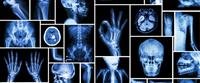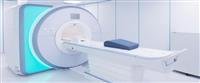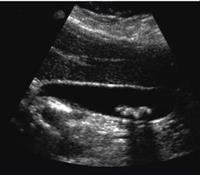
MRI and CT scans are used to diagnose medical problems. Both types have similar uses and characteristics but they produce different images. Learn the difference between MRI and CT scan.
Magnetic resonance imaging (MRI) and computed tomography (CT) are medical imaging methods that provide detailed pictures of the internal parts of the body.
In this article, you will see the difference between MRI and CT scan, and what are the factors that help in choosing the appropriate imaging method? What are the main disadvantages of each?
The difference between an MRI and a CT scan
Here are the main differences between an MRI and a CT scan
1. The difference in the pictures
MRI uses magnetic fields and radio waves to produce a detailed picture of the body''s soft tissues and internal body structures, while a CT scan is a series of X-ray images taken from many different angles to produce 3D images of the internal organs. A computer is used to these images.
But both CT and MRI scans usually require an injection of contrast dye before or during the procedure. This helps the radiologist see organs and other tissues inside the body more clearly and is both painless.
2. The difference in speed
For a CT or MRI scan, the patient needs to lie on a bed that is then moved to the scanner, but must remain still during the scan so that the cameras can take clear pictures.
CT scans take much less time than MRI scans, the exact time required depends on whether a dye is needed for the procedure or not, but MRI always requires more time for the scan, as it takes up to an hour or more, while a CT scan takes 10 minutes.
3. The difference in volume
MRI machines tend to be very noisy and noisy, and earplugs or headphones are often used to reduce impact on the ear.
While a CT scan is quieter, ear protection is not needed during the scan.
4. The difference in cost
CT scans are almost half the price of MRI scans, yet MRIs produce better images and clearer results than CT scans.
The method of choosing an MRI or CT scan
Now that you know the difference between an MRI and a CT scan, you''ll ask yourself how doctors choose which imaging method to use, and the answer is:
MRI is used in cases where doctors need to see very detailed images of body structures including soft tissues, nerves, and blood vessels. No radiation is used in MRI.
Doctors use CT scans in emergencies often when they want faster results, as they detect blood clots, bone fractures, and organ injuries, and are often used for larger individuals who do not fit snugly into MRI machines, as CT scans are a better option Because of the way it''s designed.
Both methods are mostly safe procedures and examinations, and the doctor will recommend imaging for the person depending on a group of factors, most notably:
The medical reason for the examination.
The necessary level of detail for images.
Whether the woman is pregnant.
Whether the person has claustrophobia or other factors that may make MRI scans difficult to tolerate.
Defects in MRI and CT scans
Here are the most prominent defects when an MRI or CT scan
MRI defects
Among the most prominent disadvantages when using it
MRI scans are noisy and take longer.
It causes claustrophobia, which is anxiety due to being in the enclosed space of the device.
MRI machines cause a safety issue because of their strong magnets, as any metal devices that can interact with a magnetic field, such as: pacemakers, may be pulled out, so these metals are removed Because they can be attracted to the magnet and injure or kill the patient.
CT imaging defects
Among the most prominent defects are the following
Patient exposure to radiation, although it is a relatively low dose, however, may damage DNA and may slightly increase the risk of cancer, and may not be suitable for some people, such as: pregnant women.
CT images don''t capture as much detail as an MRI, and the doctor may miss some important information.