
condition
The placenta plays a vital role during pregnancy. Learn about the function of the placenta, the problems that may affect it, and how to deliver it.
If you are pregnant, you may be wondering about the function of the placenta and the factors that can affect it. Learn the facts about this important organ that connects the mother and the fetus.
What role does the placenta play?
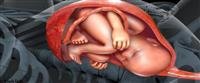
The placenta is an organ that develops in the uterus during pregnancy. This organ provides oxygen and nutrients to the fetus and removes waste products from the child''s blood.
The placenta is attached to the wall of the uterus, and the umbilical cord that reaches the baby comes out of it. In most pregnancies, the placenta attaches to the top or side of the uterus.
What affects the health of the placenta?
Many factors can affect the health of the placenta during pregnancy. Some are treatable, while others are not. For example:
Maternal age: Certain types of placental problems occur more commonly in older women, especially after the age of 40.
Early rupture of membranes: During pregnancy, the fetus is surrounded and protected by a fluid-filled membrane known as the amniotic sac. If this sac ruptures or ruptures before labor begins, the risk of problems with the placenta increases.
High blood pressure: High blood pressure may affect the placenta.
Twin or multiple pregnancy: When a woman carries more than one baby, she may have an increased risk of certain problems with the placenta.
Blood clotting disorders: Any condition that impairs the blood''s ability to clot or increases the likelihood of clotting increases the risk of certain problems with the placenta.
Previous uterine surgery: If you''ve had previous uterine surgery, such as a caesarean section or fibroid removal surgery, the risk of certain problems with the placenta increases.
Problems with the placenta in the past: If a woman suffered from a problem with the uterus during a previous pregnancy, she has an increased risk of repeating this problem again.
Substance abuse: Certain problems with the placenta occur more commonly in women who smoke or use illegal drugs such as cocaine during pregnancy.
Abdominal injury Trauma to the abdomen, for example from a fall or other type of forceful blow to the abdomen, increases the risk of certain problems with the placenta.
What are the most common placenta problems?
The most common placenta problems during pregnancy include placental abruption, placenta previa, and placenta accreta. These conditions can cause severe vaginal bleeding.
Sometimes, there is a risk of placenta retention after delivery.
1- Placental abruption (placental abruption)
If the placenta tears from the inner wall of the uterus before childbirth, whether in whole or in part, this is known as placental abruption.
Placental abruption can cause vaginal bleeding and pain or cramping to varying degrees. It may also prevent the fetus from getting oxygen and nutrients.
In some cases, the condition requires an early delivery.
2- Placental abruption
This condition occurs when the placenta partially or completely covers the cervix — the access to the uterus. Placenta previa occurs most commonly in early pregnancy and the problem may go away on its own as the uterus grows.
Placenta previa may cause severe vaginal bleeding before or during childbirth. A caesarean section is usually required if placenta previa is present at the time of delivery.
3- Placenta accreta
This condition occurs when the blood vessels of the placenta grow too deep into the wall of the uterus. This can cause vaginal bleeding during the third trimester and severe blood loss after childbirth.
Treatment may require a caesarean section followed by surgical removal of the uterus (abdominal hysterectomy).
The condition can also occur in more severe forms if the placenta spreads into the muscles of the uterus (placenta increta) or the placenta grows through the wall of the uterus (placenta pertussis).
4- Retained placenta
If the placenta does not come out within 30 to 60 minutes after delivery, this condition is known as retained placenta.
Placenta previa may occur because the placenta is trapped behind a partially closed cervix or because the placenta is still attached to the wall of the uterus — either loosely (placenta accreta) or too tightly (placenta accreta).
If a retained placenta is not treated, severe infection or life-threatening blood loss can occur.
What are the signs or symptoms of placenta problems?
You should consult your health care provider if you experience the following during pregnancy:
vaginal bleeding
Abdominal pain.
severe back pain
Rapid uterine contractions.
A fall, car accident, or other trauma to the abdomen.
What can I do to reduce the risk of placenta problems?
Most placenta problems cannot be directly prevented. However, you can take steps towards promoting a healthy pregnancy. For example:
Visit your healthcare provider regularly during your pregnancy.
Work with your health care provider to manage any health conditions you have, such as high blood pressure.
Don''t smoke or take illegal drugs.
Talk to your doctor before you decide to have a caesarean section.
If you had a placenta problem during a previous pregnancy and plan to have another child, talk to your health care provider about ways to reduce the risk of the problem recurring.
Tell your health care provider if you''ve had uterine surgery in the past. Expect to be closely monitored by your health care provider during your pregnancy.
How is the placenta excreted?
In the case of a normal birth
The placenta will come out through the vagina during what is known as the third stage of labour.
After the baby is born, you will still have mild contractions. Your health care provider may massage your lower abdomen to stimulate uterine contraction and expel the placenta.
You may be asked to push one or more times to expel the placenta, which usually comes out with a small splash. Normally, the placenta will pass within about five minutes.
In some cases, it may take up to 30 minutes for the placenta to come out. In the case of a cesarean section, the health care provider will remove the placenta from the uterus during the procedure.
The health care provider will examine the placenta and make sure it''s healthy. Any waste from the uterus should be removed to prevent bleeding and infection. If you are interested in seeing the placenta, ask to see it.
According to some cultures, families bury placentas in a private place such as their backyard. Some women cook and eat the placenta, a practice known as human placenta ingestion.
If you have any questions about the placenta or placenta problems during pregnancy, talk to your health care provider, who can help you better understand the role of the placenta.