Are you looking for detailed information about leg vasculitis? So continue with the article.
Let us know the following about the most important information and details about vasculitis in the leg:
What is meant by vasculitis in the leg?
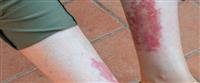
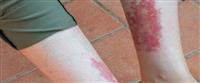
Vasculitis in the leg is a pathological condition that results from the immune system attacking the healthy vessels in the leg. This occurs as a result of an infection or due to taking a medication, and sometimes the reason behind the condition is unknown.
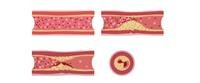
When the blood vessels in the leg become inflamed, this leads to their narrowing, which impedes blood flow. In advanced cases, this may lead to tissue death in the area, causing very serious complications for the body.
Types of vasculitis in the leg
There is not one type of vasculitis, but several types called the following names
Behcet''s disease.
Buerger''s disease.
Churg-Strauss syndrome.
Cryoglobulinemia.
Giant cell arteritis.
granuloma.
Henoch-Schonlein purpura.
Kawasaki disease
Takayasu''s arteritis.
Symptoms of vasculitis in the leg
Symptoms vary according to the extent and type of vasculitis in the leg, but the general symptoms of the disease are as follows:
Numbness or weakness in the leg.
Hardening of the soles of the feet.
fever.
Headache.
Weight loss and loss of appetite.
pain.
Tired.
muscle pain in the leg
pain in the joints.
Leg vasculitis causes and risk factors
Here are the details
1. Causes of vasculitis in the leg
The main cause of vasculitis in the body in general, including vasculitis in the leg, is unknown and not fully medically understood. Some types of this inflammation are related to the genetic makeup of the body, and some result from the immune system attacking the blood vessels.
In the following, the most prominent stimuli that cause the immune system to attack blood vessels in the leg or in any other area of the body will be mentioned:
Infections, such as: hepatitis B and hepatitis C.
Some types of cancer, including: leukemia.
Having a disease of the immune system, such as: rheumatoid arthritis, lupus, and scleroderma.
Reactions to certain medications, or general allergic reactions of the body.
2. Risk factors for leg vasculitis
The factors were the following
the age
Vasculitis in the leg has several types, as mentioned previously, and each type has its own age and increases in it. For example, Kawasaki disease abounds in children under 5 years old.
heredity
As the following types of vasculitis are transmitted among members of the same family in abundance: Behcet''s disease, granulomatosis, and Kawasaki disease.
wrong lifestyles
Smoking and drug abuse are reasons that increase the risk of developing vasculitis in the body.
Diagnosis of vasculitis in the leg
Diagnosis is made in the following ways
1. Blood tests
Blood tests aim to look for signs of inflammation that the body may be infected with, and the most common tests that show this are: blood cell counts, and a C-reactive protein test.
Blood tests may also help look for antibodies to an infection.
2. Imaging tests
The leg can be photographed in one of the following ways to find out if the blood vessels in it are inflamed or not:
X-ray imaging.
MRI.
Computed tomography.
Positron emission tomography.
Ultrasound imaging.
3. Biopsy
The doctor takes a biopsy of the vascular tissue from the leg with symptoms in order to study it and look for signs of inflammation in it.
4. Other examinations
The doctor may also conduct the following examinations
Urine tests: This is to find out the general condition of the kidneys and to see if they suffer from damage.
Cardiac tests: An echocardiogram is done to see how well the heart is working.
Treatment of vasculitis in the leg
The goal of treatment is to control inflammation, and this is done in one of the following therapeutic ways:
1. Treatment with medication
Corticosteroid medications are the first choice for treating vasculitis in the body, and the most prominent drug prescribed in this regard is Prednisone.
It is worth noting that these drugs are not without side effects, as they may cause weight gain, diabetes, and muscle weakness.
2. Surgical treatment
Surgery is considered if vasculitis in the leg leads to swelling and enlargement of the blood vessel wall, and surgery is performed to reduce the risk of rupture of this vessel.
Surgery may also be considered in the event of a blockage in the arteries to open them and restore blood flow in them normally as before.