Having a premature baby
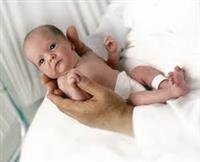
A premature baby (or preemie) is an infant born earlier than usual, before 37 weeks pregnant. There are different levels of prematurity, and generally the risk increases the earlier the birth is - babies at highest risk are those born before week 26.
There are numerous causes of premature birth and the effects, treatment and reasons for prematurity are extensively studied. Knowing the stages of growth and development after a preterm baby is born and how to care for your baby is essential to give the best chance of survival.
If you have been told you are at risk of having a premature baby, or if you have already had a premature baby, you are likely to have lots of questions about preterm birth. The sections below run through the facts, reasons, causes, and problems associated with preterm babies, and should help you find the answers you're looking for.
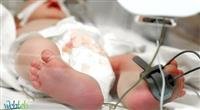
Baby feet
Explaining premature birth
Click here to find out more about premature birth, including the causes of premature labour and preterm birth, the risk factors and the different health needs your baby boy or baby girl may have depending on how premature he or she was.
Pregnant woman
Reducing the risk of premature birth
Click here to find out more about the risk factors of premature birth, including information on how your risks are assessed, what happens if you are at high risk or at immediate risk and how you can take steps to reduce your risk factors.
Woman in premature labour
Giving birth to your premature baby
Click here to find out more about premature labour, including information on the signs and symptoms of preterm labour, caesarean delivery, what to bring to hospital, and pain relief.
Premature baby in hospital
Your premature baby's time in hospital
Click here to find out what happens to your premature baby in hospital, including common illnesses in premature babies, your role in caring for your baby, breastfeeding and expressing and the equipment you will see in the baby unit.
Taking your baby home
Taking your premature baby home
Click here to find out how to care for your baby at home, including information on preterm baby development, breathing support, when to call the doctor, who will be supporting you, and breastfeeding, weaning, and feeding your premature baby at home.
Woman in counselling
Looking after yourself
Click here to get some tips on looking after yourself. Don't forget about your own well-being. Having a premature baby is a traumatic event. To look after your baby, you need to be mentally and physically healthy.