of treatment
In this article, learn about the causes of allergies in children and tips and advice to reduce them.
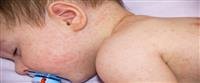
Many children suffer from an allergic skin condition called eczema, which is an inflammatory condition that causes a rash, reddening of the skin, and severe itching that results in blistering of the skin.
It usually occurs to children between the ages of one to five years, and it may be caused by an allergy to food, drink, or environmental pollutants, but most often there is no clear reason for it, but let''s get to know the possible causes of allergies in children:
Causes of allergies in children
A child is exposed to allergies when his body reacts negatively to some substances and influences that he encounters during his day, such as: eating certain foods, drinks, or contact with some pollutants.
There may be many causes of allergies in children, including the following
Eating certain foods and drinks: There are some foods and drinks that can cause allergies in some children, such as:
Peanuts and peanut butter.
Nuts.
the milk.
Dairy products, such as: cheese.
eggs.
soy.
Wheat.
fish.
Exposure to pollen: whether on trees or those flying in the air, especially in the spring.
Exposure to animal dander: Some children develop allergies when they come into contact with animal dander, such as: cats and dogs.
Inhalation of house dust mites: especially when cleaning the house from dust or shaking the beds.
Inhaling odors and perfumes: One of the causes of allergies in children is the perfumes used by parents or the organic scents found in home cleaning products.
Smoking: A child may be sensitive to the smell of smoking, especially if one of the parents smokes at home.
Dyes: such as those used in house painting or dyes used in dyeing hair.
Children''s allergy treatment and important tips
After identifying the most important causes of allergies in children, there are some tips and guidelines that help reduce exposure to allergies to alleviate the symptoms associated with them, such as:
Use of antihistamines: If the child is allergic, the doctor may prescribe an anti-allergic agent, so it is always recommended to have it at home.
Using detergents that are free of perfumes and dyes: You can use a cleansing soap that is free of fragrances and dyes to be gentle on the baby’s skin.
Use a moisturizer after bathing: Care must be taken to dry the child well after bathing and to apply a moisturizer to his body after completion.
Use lukewarm water when showering: Make sure to use lukewarm water when showering, and that the duration of the bath does not exceed 3-5 minutes only.
Choose cotton clothes: It is advised to choose soft cotton clothes for children and stay away from rough clothes that cause itchy skin.
Skin allergy treatment: When you notice any allergy symptoms on a child, such as: skin redness, itching, or ulceration, you should see a doctor immediately to treat them.
Avoid allergens: Soaps, detergents, and scented lotions can irritate a child''s skin, so it is advised to avoid them and choose hypoallergenic products instead.