In the following article, we will talk about the most important and most prominent digestive problems in children that they may develop.
The digestive system of a child is not much different from that of an adult. Children may also suffer from the same problems in the digestive system and from the same diseases that usually begin in childhood. Here are the most important and prominent digestive system problems in children:
Gastrointestinal problems in children
There are many digestive problems in children, and in the following we will discuss some examples and cases of these digestive problems in children in detail:
1. Gases
Children may suffer from the accumulation of gases in the digestive system, especially after eating gas-causing foods, such as: beans, vegetables, and drinking soft drinks. Children eating quickly may also cause them to accumulate gases in the digestive system as a result of swallowing air.
The gases that accumulate in the digestive system can cause abdominal pain and bloating in children, but they accumulate less than in adults. However, if your child suffers from an accumulation of gases, it is preferable to go for a medical examination.
2. Heartburn
Heartburn can sometimes be caused by
eating certain foods
Eating large amounts during a meal.
Eat before bed.
If your child has heartburn a lot, then a medical examination is needed. Children are supposed to suffer from heartburn much less than us adults, and the doctor can recommend eating smaller meals more frequently, or can even recommend medical treatment if necessary, and in some cases In cases, the doctor may request a medical examination to rule out the existence of other causes that could cause heartburn.
3. Viruses
Viruses do not distinguish between adults and children. Children who eat unwashed or uncooked food may be infected with viruses and bacteria in the digestive system. The result is:
Stomach contamination.
fever.
diarrhea.
vomiting.
Therefore, children should be taught from an early age to wash their hands with soap and to rinse fruits and vegetables before eating them.
4. Diarrhea
If the child''s stools are soft or watery more than three times a day, then he suffers from diarrhea, as this diarrhea may occur due to bacterial and viral contaminations, or allergies to different types of foodstuffs or to certain medicines.
Diarrhea often goes away on its own after a few days, usually within a day or two. If the diarrhea does not stop during this period, then it is preferable to consult a doctor so that the child does not become dehydrated.
5. Vomiting
The main causes of vomiting are often viral infections, as vomiting is supposed to go away within a day or two, and it may also cause dehydration, so it is important to see a doctor if it does not go away after two days, and in the case of vomiting, care must be taken to give liquid food in the hours the first eight.
It is best to suffice with small sips of water after eight hours, and it is also preferable to feed him small amounts of light foods, such as:
the rice.
apple.
the banana.
corn chips.
It is also preferable to return to the normal diet after a day, but fried or fatty foods should be avoided for a few days.
6. Constipation
Constipation often occurs for many reasons, such as
Refrain from defecation and not going to the toilet.
Eat foods poor in dietary fiber.
If constipation persists for more than two days, it is preferable to see a doctor, and if the child, in addition to constipation, also suffers from fever, vomiting, or bloody stools, then medical treatment is required, which includes giving laxatives, changing the diet, and in the case of severe abdominal pain, one should go to to the doctor as soon as possible.
7. Irritable bowel syndrome
Irritable bowel syndrome can cause abdominal pain and bloating, constipation, and diarrhea. Children with this syndrome usually suffer from abdominal pain at least once a week for several months at a time. Treatment for the syndrome is a combination therapy that includes proper nutrition. and drug therapy.
8. Lactose intolerance
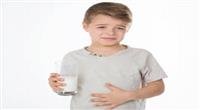
If a child has colic, nausea, and diarrhea shortly after eating or drinking dairy products, it appears that he or she is lactose intolerant. It is also important to check whether the symptoms occur each time the child eats or drinks these dairy products. .
These symptoms may appear about 30 minutes to two hours after eating or drinking dairy products. There is no treatment for lactose intolerance, but diet changes can be made after consulting with a specialist.
9. Celiac disease
Children are also not immune from this disease, and this disease has the same symptoms as other problems in the digestive system:
Abdominal pain.
vomiting.
diarrhea.
constipation.
Celiac disease occurs when eating foods that contain gluten, which is the protein found in wheat, barley, and oats. It is worth knowing that there is no cure for this disease, but the disease can be controlled by proper nutrition.
The importance of drinking water for digestive problems
In every problem in the digestive system, it is important for the child to drink plenty of fluids in order not to become dehydrated. Dehydration can be distinguished by some symptoms, such as:
High temperature.
Dry mouth.
carelessness.
not urinating
If the child does not want to drink water, he can drink fresh soup or mix a little juice with the water. He should also point out the importance of seeing a doctor in case of injury and suffering from dehydration.