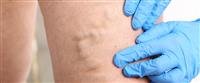
Various varicose veins is a common problem that may cause disturbing symptoms besides their uncommon appearance, so what is venous varicose veins? What are its causes and how to treat it? Let''s get to know it.
Varicose veins, get to know it
Varicose veins are known as enlarged or sprained in the veins, and the problem occurs in the surface veins in the legs often and appears in blue or purple on the surface of the skin.
The reason for the occurrence of intravenous varicose veins
Varicose veins occur as a result of a weakness in one of the vein valves that organize blood transmission towards the heart Which leads to the accumulation of blood in the vein and its inflation in the end.
Symptoms of intravenous varicose veins
In many cases, intravenous varicose veins are not accompanied by symptoms, but the patient may feel symptoms, including:
Pain or heaviness in the foot.
Feeling of burning or swelling under the foot.
Pain increased with standing without movement.
Itching around the enlarged vein.
Change the color of the skin above intravenous varicose veins.
Diagnosis of intravenous varicose veins
The doctor performs a physical examination of the patient by standing and searching for the place of inflation or twisting in the vein, and in some cases the doctor may resort to photographing the veins using X -rays or examination by ultrasound to find out if the valves in the veins are working properly or not.
Risk factors
There are many factors that increase the chance of intravenous varicose veins, the most important:
Sex, women are more likely to be injured than men.
Pathological history, the presence of intravenous varicose veins in the family.
Age, the chance of injury increases with age.
overweight.
Stand for long periods.
Pregnancy.
Methods of preventing intravenous varicose veins
To prevent infection, the following
Performing exercise permanently.
Not standing for a long time.
Reducing excess weight.
If you are a carrier, avoid sleeping on your back and lie on the left side to reduce pressure from the uterus on the veins in the pelvis.
Avoid wearing high heels.
Avoid smoking, there are studies that indicate a direct relationship between smoking and intravenous varicose veins.
Various varicose veins treatment
There are different therapeutic methods of venous varicose veins
Lifestyle change: The doctor asks the patient to follow a diet to lose weight, play sport and avoid long periods.
Compressive socks: Wearing pressure socks helps to pressure steadily on the foot, which makes it easier to move the blood in it, and it may be used on its own as in pregnancy or added after surgeries.
Surgery: The doctor may resort to surgery in some advanced cases of the disease.
Medicines: In fact, there is a single drug approved by the Food and Drug Authority to treat intravenous symptoms and complications of varicose veins such as: swelling and ulceration, and it is a source vegetarian called Diosmiplex).
Varicose complications
Rare what the patient faces complications, but it may occur years after the presence of intravenous varicose veins:
Ulcers in the area.
bleeding.
Blood clotting.
Advice for intravenous varicose veins
There are tips that help reduce intravenous variations and pain, including
Performing light daily sports.
Maintaining perfect weight.
Wearing pressure socks.
Raise the feet from time to time.