
Many individuals suffer from tinnitus, for many reasons, and in the following article, we will learn about its most prominent causes and methods of treatment.
The most susceptible to tinnitus are the elderly who suddenly begin to feel in middle age that something is losing their balance, causing them to malfunction, so what are the most important causes and methods of treatment?
Tinnitus
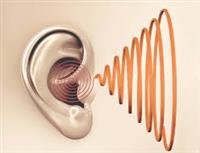
The phenomenon of tinnitus is defined as an abnormal noise or sound without an external source, and it may occur in one ear or (in most cases) in both ears, and usually tinnitus is very common between the ages of 40-70.
Most people who feel tinnitus do not suffer from this phenomenon and it is absent and relieved automatically by the brain in most hours of daily activity, so those who need treatment are only about 2-5% of the population, although about 15% of the population feels tinnitus regularly .
In addition, severe and persistent tinnitus can affect the quality of life, harm sleep and its quality, affect the ability to concentrate, and lead to great psychological distress.
Causes of tinnitus
Tinnitus is often associated with low level of hearing, that is, hearing loss due to a variety of causes and diseases, and of course hearing loss resulting from acoustic injury (trauma), can lead to the development of tinnitus.
When a defect or hearing impairment occurs, an increase in the spontaneous reactions (hyperactivity) of the nerve fibers (neurons) in the auditory pathway in the brain can be observed, and this excessive activity is associated with the appearance of tinnitus as well as with the behavioral signs accompanying the tinnitus.
Tinnitus (as well as hypersensitivity to noise) is actually a phenomenon associated with the central nervous system, especially the central auditory system and the cerebral auditory system, and this phenomenon usually accompanies hearing impairments or auditory disorders and stress.
That is, it occurs in response to distress situations that lead to auditory hyperactivity in the brain, and excessive reactivity to stimuli. Depression and anxiety often accompany tinnitus, and the most prominent possible causes of tinnitus are:
Hearing loss due to age.
Exposure to loud noise.
Auditory blockage.
Changes in the ear bone.
Meniere''s disease.
Acoustic neuroma.
Muscle spasms in the inner ear.
Tinnitus treatment
Treatment of patients with tinnitus often depends on the severity of the clinical condition. Among the most prominent methods of treating tinnitus are the following:
Cognitive therapy (CBT): A mental health professional can help you learn coping techniques to reduce the inconvenience that tinnitus symptoms may cause, in addition to its role in relieving anxiety and depression that some sufferers may experience.
Tinnitus Retraining Therapy (TRT): It is the device that is usually used to reduce the symptoms of tinnitus that the patient may suffer from.
Other tinnitus treatment: which includes: removing earwax, changing medications, treating any problem the patient may suffer from in the blood vessels, and reducing alcohol consumption.
In treatment, hearing problems are usually corrected with hearing aids (if necessary), or with sound stimuli with or without background noise devices, depending on the patient''s condition.
Although many tinnitus sufferers have used some medications to help relieve the severity of the symptoms of this type of health condition, the effectiveness of these medications has not been proven and has not been approved by the various Food and Drug Administrations for the treatment of tinnitus in ears.
However, sometimes there is a need to take sedatives in cases of severe anxiety or depression, or sleeping pills in cases of severe sleep disorders. Also, the effectiveness of various additives such as vitamins and minerals or dietary changes in reducing tinnitus has not been proven in scientific research.