
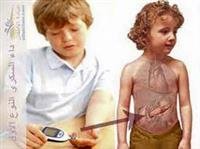
Diabetes mellitus is a disorder in which blood sugar (glucose) levels are abnormally high because the body does not produce enough insulin or fails to respond normally to the insulin produced.
Diabetes describes a group of conditions with high blood glucose levels (hyperglycemia) caused by decreased insulin production, decreased effect of insulin, or both.
Typical symptoms at diagnosis include excessive thirst, excessive urination, and weight loss.
The diagnosis is based on symptoms and the results of urine and blood tests.
Treatment depends on the type of diabetes but includes insulin injections or other drugs and changes in food choices, exercise, and weight loss (if overweight).
The symptoms, diagnosis, and treatment of diabetes are similar in children and adults ( see Diabetes Mellitus (DM)). However, management of diabetes in children may be more complex. It must be tailored to the child’s physical and emotional maturity level and to constant variations in food intake, physical activity, and stress.
Blood sugar
Diabetes is a disorder that affects the amount of sugar in the blood. There are many kinds of sugar. The white granules of table sugar are known as sucrose. Sucrose occurs naturally in sugar cane and sugar beets. Another kind of sugar, lactose, occurs in milk. Sucrose consists of two different simple sugars, glucose and fructose. Lactose consists of the simple sugars glucose and galactose. Sucrose and lactose must be broken down by the intestine into their simple sugars before they can be absorbed. Glucose is the main sugar the body uses for energy, so during and after absorption, most sugars are turned into glucose. Thus, when doctors talk about blood sugar, they are really talking about blood glucose.
Insulin
Insulin is a hormone that is released by the pancreas. Insulin controls the amount of glucose in the blood and allows glucose to move from the blood into the cells. Without a proper amount of insulin, glucose does not move into the cells and builds up in the blood. As glucose levels in the blood increase, glucose begins to appear in the urine. This glucose pulls more water into the urine, so people urinate more (polyuria) and thus become thirsty and drink more (polydipsia). Without insulin, electrolyte problems and dehydration can develop. A lack of insulin also causes fat and protein to break down.