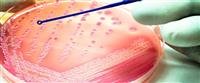

The microbiology laboratory is designed for the purpose of applying a set of techniques that include cultivation, examination, identification, and growth monitoring of various microorganisms, such as bacteria, fungi, yeasts, and others, and the diagnosis of infectious diseases associated with them, and the mechanism of their treatment and control. Microbiology laboratories are responsible for supervisors. They are provided with the appropriate educational and training skills to carry out various operations, in addition to enhancing their efficiency in adhering to the rules of good manufacturing practices in order to ensure the safety of dealing with microorganisms and people within the scope of the laboratory, and to avoid exposure to the risks associated with them.[1] And to ensure the safety of microbiology laboratory users. Several techniques are followed to prevent the spread of organisms and their transmission to people and causing diseases. These techniques include the following: [1] Sterilization Which means removing all microbes from surfaces and equipment This is done by applying chemical and physical processes such as heat and others. Cleansing The disinfection process aims to reduce or inhibit the growth of microbes on surfaces, equipment and tools to the extent that is safe to handle. cleaning Which means getting rid of foreign materials, such as soil, dust, harmful and harmless microbes, using a variety of detergent sources. The tools used in the microbiology laboratory are varied. The tools used in microbiology laboratories aim to perform various operations and include the following: [2] Optical microscope Which is used to examine microorganisms that cannot be seen with the naked eye. Sterilization device The sterilization device is used to kill microbes present on the surfaces and tools to be sterilized. Babysitter In which samples are placed, it allows organisms to multiply and maintain colonies. water bath Which is used for the purpose of incubating samples in water at specific temperatures and to achieve various purposes. Microbial colony counting device Which is used to count microbial colonies growing on the surface of the sample. Fridge Which is used to preserve biological samples, chemicals, and solutions in the laboratory that need to be kept refrigerated. Thermometer Which is used to measure the temperatures of solutions. glass pipettes It is used to withdraw various liquids in specific and known quantities and measurements. Petri dish Which is used to culture bacteria This is after providing the appropriate environment for the growth of many diverse bacteria. Microscopic slides Used to place samples to be examined. Bunsen flame Which is used in the direct sterilization process using flame. sensitive scale Which is used to determine the weight of chemicals with high accuracy. filter paper It is used to obtain liquids free of impurities. Water distillation device It is used to distill water used in preparing solutions. Safety standards in laboratories: It is recommended to take a set of procedures and standards necessary for general safety in laboratories, especially the microbiology laboratory, and they include the following: [3] [4] Wearing a clean coat before entering the laboratory. Long hair must be tied in the laboratory to avoid contamination or exposure to burning. Avoid tasting or smelling chemicals. Avoid attempting dangerous or unauthorized experiments. Be careful and know how to handle and move equipment safely. It is necessary to wear protective clothing, including glasses, etc., to protect against the dangers of dealing with flammable materials and chemicals. Follow all information issued by the laboratory supervisor in order to achieve public safety rules. It is necessary to maintain the cleanliness of the laboratory after completing its use. It is necessary to sterilize the tools, equipment, and materials within the laboratory and used in preparing and culturing samples, and for the person to be aware of how to use the equipment in the correct way to avoid the occurrence of various risks. Disinfect workplaces before and after preparing samples. This is done using disinfectants to clean surfaces and equipment, while avoiding using them in the presence of a flame or heat source. Taking into account that all microbes are harmful and cause various risks, although not all of them can be harmful, they may be exposed to some conditions that may increase their growth and development, which may harm the person who deals with them. Avoid eating or storing food inside the laboratory, and use gloves while handling samples to avoid contamination.
The importance of studying microbiology Microbiology is concerned with the study of single-celled microorganisms and microbes that cannot be seen with the naked eye, and the study of various types of microbes such as Bacteria, fungi, and viruses. The importance of studying microbiology lies in knowing their impact on the course of our daily lives, as they are found in various places such as soil, water, the environment, and plants, and are used in the manufacture of food and beverages, genetic modification, and medical aspects of all kinds.[5]