
the type you have
Breast cancers are not all the same. Find out what type of breast cancer you have and how it differs from other types of breast cancer.
Types of breast cancer: What it means to have the type you have
Once you''ve been diagnosed with breast cancer, your doctor will review your pathology report and the results of any imaging tests to understand the details of your tumor.
Your medical team determines your type of breast cancer using a tissue sample from a breast biopsy or your tumor if you''ve already had surgery. This information helps your doctor decide which treatment options are most appropriate for you.
Here''s what''s used to determine the type of breast cancer.
In which part of the breast did the cancer start?
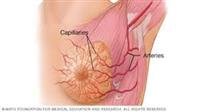
The type of tissue in which the breast cancer grows determines the behavior of the cancer and the most effective treatments. The parts of the breast where the cancer grows include:
Milk ducts: Ductal carcinoma is the most common type of breast cancer. This type of cancer forms in the wall of the milk ducts inside the breast. Ducts carry breast milk from the lobes, where milk is made, to the nipple.
Ductal carcinoma may remain within the ducts as a non-surgical cancer (ductal carcinoma in situ) or may emerge from the ducts (surgical ductal carcinoma).
Milk-producing lobes: Lobar carcinoma begins in the breast lobes, where breast milk is produced. When it emerges from the lobes, it is considered an incisional lobular carcinoma. The lobes are connected to the ducts that carry milk to the nipple.
Connective tissue: Breast cancer rarely begins in connective tissue made up of muscle, fat and blood vessels. Cancer that starts in connective tissue is called sarcoma. Examples of sarcomas that may occur in the breast include tumor and angiosarcoma.
What do cancer cells look like under a microscope?
When a sample of breast cancer is examined under a microscope, the anatomy looks like this
Cancer cells with a unique appearance: Some breast cancer subtypes of breast cancer are named for what they look like under a microscope, and subtypes include tubular, mucinous, medullary, and papillary cancer. The subtype gives the doctor some clues about the prognosis and how the cells will respond to treatment.
The degree of difference between cancer cells and normal cells: The extent to which cancer cells differ in shape from normal cells is called the grade of cancer. Breast cancer is classified into three grades, with grade 3 cancer being the most different in appearance and the most severe.
Do hormones feed your cancer cells?
Some types of breast cancer are sensitive to the female hormones that are naturally present in your body, namely estrogen and progesterone. Breast cancer cells have receptors outside their walls, which may affect certain hormones that circulate in the blood throughout the body.
When your doctor knows that your breast cancer is sensitive to hormones, this gives him a better idea of how to treat the cancer and prevent it from recurring.
Hormone conditions for breast cancer include the following
Estrogen receptor (ER) positive: This type of breast cancer is sensitive to estrogen and may respond to hormone therapy.
Progesterone receptor (PR) positive: This type of breast cancer is sensitive to progesterone and may respond to hormone therapy.
Hormone receptor (HR) negative: This type of cancer has no hormone receptors, so it will not be affected by treatments aimed at stopping the hormone from working in the body.
What is the genetic makeup of your breast cancer cells?
Doctors have recently begun to learn how individual DNA changes in cancer cells could one day be used to determine treatment options. By analyzing the genes of cancer cells, doctors hope to find ways to target specific aspects of cancer cells to kill them.
Laboratory tests may detect certain genes in cancer cells, such as the following
HER2 gene: Cancer cells that have too many copies of the HER2 gene produce too much of a growth-promoting protein called HER2. Drugs are available for targeted therapy to block the effect of the HER2 protein, thus slowing the growth of these cancer cells and killing them.
Other genes: Researchers are studying ways to understand the genetics of tumor cells. Doctors hope to be able to use this information to predict which cancers will spread and which ones may require aggressive treatment. As such, aggressive treatment may be avoided in women with a relatively low risk of breast cancer.
Genetic tests for breast cancer are also available, but are not recommended in all cases. Ask your doctor if this type of test might be helpful in your case.
An increasing number of doctors are using genetic information about breast cancer cells to classify breast cancers. These classification groups help to decide on the best suitable treatment. It includes
Breast cancer groups the following
Group 1 (Lami A): This group includes positive tumors for the future and positive future for progesterone, but they are negative for the Her2 protein. It is possible that "A" breast cancer is likely to be treated with hormonal therapy, and it may also be treated with chemotherapy.
Group 2 (Lami B): This type includes positive tumors for the future and positive future for progesterone, and the positive of the Her2 protein. It is possible that the breast cancers of "B" are being treated with chemotherapy, and it may be treated with hormonal therapy and the target therapy of the Her2 protein.
Group 3 (positive protein Her2): This type includes negative tumors for the future of estrogen and negative for the future progesterone, but positive for the Her2 protein. Her2 protein breast cancers are likely to be treated with chemotherapy and the target therapy of the Her2.
Group 4 (semi -basic): This type, which is also called triple negative breast cancer, includes negative tumors for the future of estrogen and negative for the future progesterone, and negative for the Her2 protein. Semi -base breast cancers may be treated with chemotherapy.
Understanding more about your chemical composition and thein generation for your cancer may help doctors choose the best effective treatment for your specified cancer type.