Gastric balloon: everything you need to know
If you are obese, diet and exercise have not helped you lose weight, and you still want to, a gastric balloon may be the solution.
Let us learn in the following the most important information and details about the gastric balloon:
What is a gastric balloon?
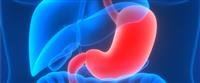
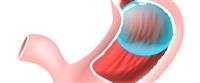
Gastric balloon is a new type of weight loss procedure in which a silicone balloon filled with salt is placed in your stomach. This helps you lose weight by limiting the amount of food you can eat and also makes you feel full faster.
Like other weight loss procedures, the gastric balloon requires commitment to a healthy lifestyle, as you need to:
Make permanent healthy changes to your diet.
Do exercise regularly.
This is to help ensure long-term success of the gastric balloon procedure.
People who are eligible for the gastric balloon procedure
As with other weight loss procedures, the same applies to the gastric balloon. It has conditions that must be met by anyone who wishes to undergo it. You must have the following qualities in order to perform it:
Your body mass index (BMI) is between 30 and 40.
Be willing to commit to healthy lifestyle changes and regular medical follow-up, in addition to participating in behavioral therapy.
She has not had any previous surgery on the stomach or esophagus.
How is a gastric balloon performed?
The gastric balloon is performed in the endoscopy unit as an outpatient procedure, where you will be anesthetized for this procedure, and during the procedure the following steps take place:
The doctor s a thin tube (catheter), and the balloon is placed down your throat and into your stomach.
Your doctor s an endoscope — a flexible tube with an attached camera — down your throat and into your stomach, where a small camera allows your doctor to see the balloon as he fills it with saline.
The procedure takes about half an hour, and you can usually go home several hours after the procedure.
How to act after gastric balloon surgery
Action after the gastric balloon procedure is based on following the following instructions:
Get small amounts of fluids starting six hours after the procedure.
Continue the liquid diet in general until the beginning of the second week, after which you can start eating light foods.
Start eating regularly 3 weeks after the transgastric balloon is ed.
Go for frequent visits with the medical team, such as: nutritionist and psychologist.
It is worth noting that the balloon is left inside the stomach for up to 6 months, then it is removed using an endoscope.
Results of gastric balloon surgery
A balloon can make you feel full faster, which means you will eat less, for two reasons
An intragastric balloon slows the time it takes for the stomach to empty.
The gastric balloon changes the levels of hormones that control appetite.
The amount of weight you lose also depends on how much you are able to change your lifestyle habits.
Losing about 10% to 15% of your weight is typical during the following six months after gastric balloon ion.
As with other procedures and surgeries that result in significant weight loss, a transgastric balloon may help improve or resolve conditions that are often associated with being overweight, including:
Heart disease or stroke.
high blood pressure.
Severe sleep apnea.
Type 2 diabetes.
It is possible not to lose weight or regain weight after any type of weight loss procedure or surgery, even if the procedure itself is working properly.
This can happen if you do not follow recommended lifestyle changes.
Risks of gastric balloon surgery
Serious risks after placing the balloon inside the stomach and removing it are rare, but possible, and include:
Balloon deflation.
The balloon moves in the digestive system, and this happens if the balloon is deflated.
A blockage occurs that requires another procedure.
Other potential risks of a gastric balloon include
Ulcer.
A hole in the stomach that may require surgery to repair.
Complications of gastric balloon surgery
Pain and nausea affect about a third of people shortly after an intragastric balloon is ed. However, these symptoms usually only last for a few days after the balloon is placed, and can be treated with oral therapy.