
What are endocrine glands in children?
The endocrine glands in children are considered one of the most important organs in their bodies. They are a group of glands responsible for many body functions, including growth functions, through the group of hormones they secrete to control body processes and functions. This is why endocrine disorders in children.
Endocrine glands include
the pituitary gland
Adrenal
The thyroid and parathyroid glands
Testicle and ovary
Given that the occurrence of any endocrine disorders in children has a negative impact on them, we will explain to you in the article some of these disorders and the analysis and treatment of endocrine glands in children.
Endocrine disorders and childhood diabetes
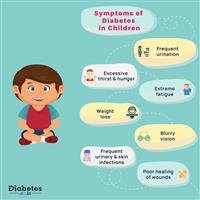
Childhood diabetes is the most common of these disorders, especially in the modern era, where sugar levels are disturbed due to a defect in the production of the hormone insulin or a defect in its effect on the body.
The most common symptoms of endocrine problems in children are weight loss, excessive urination, and extreme thirst. Diabetes treatment varies depending on its type, either by taking blood sugar control pills or insulin injections, or by organizing a healthy eating schedule and exercising.
Gigantism and acromegaly
This disease is one of the most common endocrine disorders in children, as increased growth occurs as a result of the increased secretion of growth hormone by the pituitary gland in children before and after puberty. Its cause is often due to the presence of benign tumors in the pituitary gland in children.
Symptoms of endocrine problems in children include enlarged bones in the head, hands, arms, legs, and feet.
Short stature disease due to endocrine disorders
This disease results from a deficiency of growth hormone secreted by the pituitary gland, and in many cases the cause of this hormone deficiency remains unknown.
Children also suffer from weak body growth in general, delayed tooth eruption, and short stature. Short stature is treated by compensating for the deficiency in growth hormone.
Premature puberty due to endocrine disorders
Precocious puberty is one of the endocrine disorders in children, in which puberty occurs in male children before the age of 9 years, and in females before the age of 8 years. At this stage, a change occurs in the body’s shape and ability to reproduce, and its signs include the following:
The appearance of acne.
Armpit and pubic hair growth.
Increase the size of the breasts in females, and the size of the testicles and penis in males.
Hoarseness of the voice in males.
Menstruation in females.
Delayed puberty in children
Delay in puberty may occur in children for many reasons, and the most important of these reasons is the occurrence of endocrine disorders in children, either due to a defect in the secretion of pituitary hormones or due to a defect in the secretion of male or female hormones.
Signs of puberty are delayed in appearing in children, and males are more affected by this problem than females. Delayed puberty due to hormonal disorders is treated by providing male patients with testosterone and female patients with estrogen, as the hormones help initiate puberty.
Hyperthyroidism due to endocrine disorders
Hyperthyroidism is usually characterized by increased body activity, sweating and weight loss, in addition to increased heart rate. This is due to an increased secretion of thyroid hormones in the body.
Hyperthyroidism in children is treated with antithyroid medications, which work to reduce the secretion of thyroid hormones.
If this problem is related to Graves'' disease, it must be treated to achieve complete recovery. Some cases may require treatment with beta blockers, radioactive iodine, or even surgical removal of the gland in severe cases.
In the end, it must be emphasized that endocrine disorders are a problem that cannot be ignored, especially in children, as they significantly affect their normal development, and neglecting them can lead to greater problems in the future.