procedures
Some cosmetic procedures, such as Botox injections, do not involve surgery, but that does not mean they are risk-free. Here is the most important information about these procedures.
Non-surgical cosmetic procedures include the use of certain products, such as botulinum toxin (Botox), or various techniques that make the skin smoother, or reduce marks and wrinkles on the skin. There are also operations aimed at changing the way the teeth look, such as making them more Whiter or straighter.
If you are considering some cosmetic procedures, you should know several things, such as: what these procedures involve, what their risks are, and how much they cost. Ask about the qualifications and experience of the person who will perform it for you, to find out whether he is qualified and suitable or not.
What non-surgical treatments are available?
There are several procedures available, including
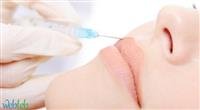
Muscle paralysis – such as Botox injections to relax facial muscles and reduce the visibility of lines and wrinkles.
Dermal fillers - are injected into wrinkles with the aim of filling them.
Chemical Peeling - Chemicals are used to remove the outer layer of skin cells.
Microdermabrasion – uses tiny crystals and suction to remove dead skin cells.
Non-surgical laser and intense light treatments – eg laser hair removal.
Some of these cosmetic procedures may leave the treated area sensitive or red for days or weeks.
Where can I safely have a non-surgical procedure?
Some types of procedures, such as teeth whitening, can be done safely in dental clinics.
Cosmetic procedures using cosmetic injections (such as Botox) should be performed by trained doctors, qualified pharmacists, dentists, or registered nurses in a clinical setting, and should not be performed by cosmetic doctors who lack the necessary clinical background.
How do I know if the process taker is eligible?
It is important to work with a reputable and suitably qualified practitioner.
The CQC says you can be vulnerable to damage from procedures if they are not carried out correctly, so it is important to research these procedures, who is providing them and who will be carrying them out.
Nurses must be registered with the Nursing and Midwifery Council.
Doctors, dermatologists and venereologists must be registered with the General Medical Council.
Pharmacists must be registered with the General Medicines Council.
Dentists must be registered with the General Dental Council.
What are the risks of non-surgical procedures?
“Non-surgical procedures usually involve injections of fillers or botulinum toxin (Botox), so they carry fewer risks than surgical procedures,” says Professor Simon Kay, a consultant plastic surgeon and member of the British Society for Plastic and Reconstructive Surgery (BAPRAS). However, overcorrection, as well as uneven skin mobilization and sensitivity, can be difficult to treat.
"It is recommended to inquire about what can be done if any of these things occur, and to discuss allergies and other potential complications of such procedures," Kay added.
"Manufacturers usually include patient leaflets, which should include these points, and risks can be reduced by choosing a reputable surgeon or nurse practitioner who works in a clinical setting," Professor Kay points out.
Do I need to see a doctor before Botox injection?
Yes, and prescribers are cautioned against prescribing cosmetic injection treatments by telephone, fax, video link or over the Internet. This means that prescribers must meet patients face-to-face before prescribing Botox and other injectable cosmetics, such as Dysport or Vistabel, to ensure they fully understand the patient''s medical history and reasons for wanting the treatment.
Safety list
Sally Tapper, director of standards and training principles for regulating treatments at Treatments You Can Trust, says: “There is no doubt that the range of cosmetic procedures is expanding. However, a fast-growing market like this often leads to poor practices, and we would urge everyone to consider... In their safety when they choose the right doctor.''''
Sally offers a five-point safety checklist to make sure you''re getting treatment from the right person:
Qualifications: Verify the qualifications of the practicing physician. Only authorized doctors, dentists, pharmacists and suitably qualified registered nurses are able to provide injectable cosmetic treatments.
Job title: Don''t be fooled by unusual or unrecognizable job titles, such as ''beauty practitioner/therapist''. When you check qualifications, make sure that the title of doctor, dentist, or registered nurse actually applies to the person holding the needle.
Training: Medical practitioners need training in a variety of areas to administer injectable cosmetic treatments, and these include how to deal with severe allergic reactions (anaphylaxis) and other adverse reactions to treatment.
Location: Treatments such as Botox and dermal fillers should only be done in a clean, safe and appropriate medical environment, to avoid infection and permanent physical damage. Treatment should not be done at home, or for example, in a nail salon or tattoo parlor, but rather in a medical facility.
Article: While Botox is a drug that is only given with a prescription, the skin mobilization is not currently treated in this way in the United Kingdom and can be purchased from different places of sale, as well as on the Internet. While this is illegal, people are advised to be very careful when dealing with any cosmetic injection. Some types of skin filling can be dangerous and can be dangerous when using them in the wrong way, and it is also recommended not to buy cosmetic injection from the Internet permanently.
What if I felt a dawn after the operation?
If you have a non -surgical operation and you start to feel tired, you should get medical help.
Professor Kai says: “Health is the first priority. By the practicing doctor who managed the substance or treatment. The doctor''s participation will require if that way fails to solve this issue. ''''