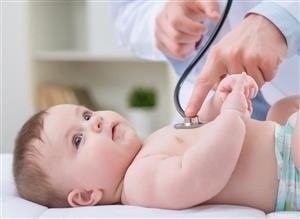

Some children may develop a fever and high body temperature, and they will then be treated with antibiotics to eliminate the cause of the infection, but what should we do if the fever persists after taking antibiotics for children?
If a child''s temperature continues to rise even after undergoing antibiotic treatment, it may not be a worrying matter in most cases, and it can be controlled once the underlying cause of the disease is known.
However, if the child is very sick and shows signs indicating that he has a serious underlying health condition, then he must undergo the necessary treatment immediately. Because in this case, the heat may pose a great danger to his health.
What is the reason for the persistence of fever after taking antidote for children?
If your child continues to have a high temperature after using the antibiotic, this may indicate that his or her fever is caused by a viral or bacterial infection.
The child will then need to undergo treatment again to lower his temperature, until the immune system is able to overcome what is causing the disease in the body.
The reason behind the persistence of fever after children''s antibiotics is often the result of recurrent infections in the upper respiratory tract, such as: pharyngitis and otitis media, especially for children who are not more than six years old.
What are the signs of persistent fever in children after antibiotics?
The most important signs or symptoms that indicate the continuation of fever after taking the medicine for children can be summarized in each of the following points:
Skin rash or skin whitening.
Poor appetite.
Urinating in small amounts.
Drought.
The child''s condition becomes worse during the night.
Ways to reduce fever even after using antipyretics for children
There are many preventive and therapeutic methods that you can follow if the temperature persists after taking antidote for children. These methods include all of the following:
Make the child wear light clothing, making sure to maintain the room temperature at a comfortable level that matches what the child is wearing.
Encourage the child to drink more fluids to avoid dehydration, as heat causes the body to lose fluids.
Place the child in a cold water bath.
Using some types of drug treatments depending on the type of infection the child is suffering from.
Treating the main cause of the child’s persistent fever even after using the prescribed antibiotics.
When should you see a doctor?
There are a group of cases in which you must see a doctor immediately if the temperature persists after taking antihistamines for children, and the most prominent of these cases are the following:
The temperature of a baby who is 3 months old or younger is 38 degrees Celsius.
Breathing difficulty.
Suffering from some severe pain.
Constant feeling of extreme exhaustion.
The appearance of a flat, dark rash that does not change color even if pressed.
The child cries intensely and continuously.
He feels pain when he urinates.