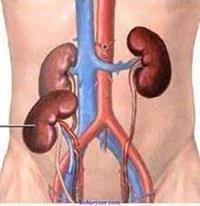

What are the symptoms of chronic kidney disease? What are the underlying causes of infection? What are the diagnostic methods? How can it be treated? The answer and a lot of information we will review for you in this article.
Learn about chronic kidney disease
In this article, we review for you the most important details related to chronic kidney disease, known as chronic renal failure:
What is meant by chronic kidney disease?
Chronic kidney disease is often not detected in the early stages, but rather when the disease progresses and people often do not realize they have chronic kidney failure until their kidney function s to 25% of normal.
Chronic kidney disease refers to damage to the kidneys and a weakening of their ability to filter the blood properly, which causes the accumulation of waste in the body and an imbalance in the balance of salts and minerals such as calcium and sodium, and other serious complications. Chronic kidney disease occurs slowly and over long periods of time and often worsens over time. the time.
What are the most prominent symptoms of chronic kidney disease?
Below is a list of the most prominent symptoms of chronic kidney disease
Common symptoms
Common symptoms, one or more of which indicate chronic kidney disease, include
My Player placeholder
Muscle cramps.
Nausea and vomiting.
Anorexia.
Swelling in the foot and ankle.
Frequent urination or lack of urination.
Breathing difficulty.
Sleep problems.
Less common symptoms
When kidney function stops suddenly as a result of acute kidney failure, the following symptoms appear:
Abdominal pain.
Back ache.
diarrhea.
fever.
Nosebleeds.
What are the causes of chronic kidney disease?
Chronic kidney diseases usually occur as a result of health problems that cause pressure on the kidneys, and here are the most prominent of them:
High blood pressure: It causes pressure on the blood vessels in the kidneys, stopping the kidneys from working properly.
Diabetes: Accumulation of glucose in the blood causes malfunction of the small filters in the kidneys.
High cholesterol levels: The accumulation of fats causes them to deposit in the blood vessels, leading to problems in the vessels feeding the kidneys.
Urethral obstruction: which results from the accumulation of kidney stones or prostate enlargement.
Heart disease: Heart disease can cause chronic kidney disease, and it is important to know that heart disease is the most common cause of death among people undergoing dialysis.
There are also some factors that increase the risk of chronic kidney disease, including
Taking medications: The continuous use of some medications over long periods, such as medications containing lithium and non-steroidal anti-inflammatory medications, may cause kidney problems.
Obesity: Being overweight is a risk factor for kidney disease.
Family history of chronic kidney disease: Chronic kidney disease is a disease caused by a family history of certain diseases.
How is chronic kidney disease diagnosed?
In most cases of people with chronic kidney disease, they do not show any visible symptoms except in the long term due to kidney damage, so doctors resort to conducting medical examinations for patients, and these examinations include the following:
1. Estimated Glomerular Filtration Rate Index
The glomerular filtration index indicates how effectively the kidneys clean the blood, as healthy kidneys work to remove waste from the blood and purify it. When there are kidney problems, the glomerular filtration rate indicates the following:
Index of 60 or more: This is an indication of the health of the kidneys and their ability to purify the blood from waste.
Index less than 60: It may be evidence of chronic kidney disease.
Less than 15: This indicates kidney failure.
2. Urine test
A urine test is performed to detect albumin protein, as the presence of this protein indicates kidney problems.
The doctor may resort to conducting other laboratory and physical tests when he suspects the presence of any health problems that may affect kidney function, such as high blood pressure.
Can chronic kidney disease be treated?
Treatment of chronic kidney disease depends on the underlying cause of kidney disease of all types, and treatment usually consists of therapeutic methods to help control signs and symptoms, reduce complications, and slow the progression of the disease.
However, if the kidneys are damaged and difficult to treat, doctors resort to other methods, most notably dialysis or kidney transplantation.