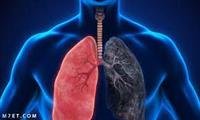

What is allergic asthma? What is its relationship to classic asthma? What are the triggers for its appearance? Is it a common health problem? Important information and details in the following article.
In the following article, we will discuss the case of allergic asthma. Here are the details:
What is meant by allergic asthma?
Allergic asthma is one of the most common types of chronic asthma, but many asthma patients may not realize that they specifically have allergic asthma.
Attacks of this type of asthma occur as a result of the immune system showing an abnormal reaction when the patient inhales an allergen, which leads to narrowing of the respiratory tract and thus the symptoms of an allergic asthma attack appear.
The allergens that trigger this condition are numerous and often found abundantly in the surrounding environment and the air we breathe, but the triggers for allergic asthma may differ from one person to another, so what may trigger an allergic asthma attack in you may not have an effect on other allergic asthma patients.
Due to the spread of allergens in the surrounding environment, an allergic asthma patient must try to accurately identify the triggers for his asthma attacks, so that he can avoid asthma attacks in the future. It is also possible to use some medications to help contain the condition.
My Player placeholder
About allergies
The immune system works to protect the body from pathogens, such as viruses and bacteria, by attacking them as soon as they enter the body. Once it detects them, it produces special immune chemical compounds, such as: Immunoglobulin E and Histamine.
Under normal circumstances, the aforementioned immune substances work to protect the body from dangers, but in cases of allergic asthma, the body may produce excessive amounts of them as a reaction to the body’s exposure to normal, non-dangerous substances, such as cat dander, which may lead to narrowing of the respiratory tract and difficulty breathing.
About asthma
Asthma is a disease that may affect the lungs, causing a number of health consequences for the affected person, such as: irritation of the lining of the respiratory tract walls, excessive phlegm production, and narrowing of the respiratory tract.
The exact cause of asthma is unknown, but in cases of allergic asthma, the triggers for an asthma attack are often allergens that are known and obvious to the sufferer.
Causes of allergic asthma and risk factors
While attacks of other types of asthma may arise as a result of the patient''s exposure to normal triggers that lead to a reaction in the respiratory system that has nothing to do with the immune system, the immune system plays a major role in the development of allergic asthma attacks.
When allergens enter the body, the immune system reacts, leading to inflammation of the respiratory tract and contraction of the surrounding muscles, in addition to stimulating the accumulation of thick phlegm in the respiratory tract, which leads to narrowing of the respiratory tract and obstruction of breathing.
Although the triggers for allergic asthma attacks may be clear, the cause of allergic asthma is still unclear, but it is believed that the following factors may increase the chances of developing:
Genes and heredity.
Suffering from allergic health problems, such as eczema, food allergies, and hay fever.
Allergic asthma triggers
These are the most prominent ones
1. Allergens
Like the following
Pollen plants and trees.
Household animal waste, such as cats and dogs, such as lint and saliva.
Dust mites and their waste.
Cockroach waste, such as: saliva, feces, and body remains.
Mold spores.
2. Irritating stimuli
Such as the following:
Cold or polluted air.
Exercising in cold weather.
Being in rooms that contain a lot of dust.
Perfume scents.
Tobacco smoke or smoke from burning candles.
Symptoms of allergic asthma
The symptoms of an allergic asthma attack do not differ from the symptoms of regular asthma attacks, the most prominent of which are:
cough.
Rapid or shortness of breath.
Chest tightness or wheezing.
Other symptoms are closer to allergy symptoms, such as: sneezing, itchy eyes, nasal congestion, and skin rash.
These symptoms tend to appear when exposed to allergens.
Serious symptoms
If a patient with allergic asthma develops the following serious symptoms, he or she must go to the doctor immediately:
Lips or nails become pale or blue.
Chest pressure.
Severe respiratory disorders.
Accelerated heartbeat.
You should also contact your doctor immediately if the symptoms of an asthma attack do not improve within 15 minutes despite the use of medications, as an asthma attack may quickly worsen, leading to fatal complications.
Diagnosis of allergic asthma
These are the most prominent diagnostic procedures that a doctor may resort to
Inquire from the patient about the nature of the apparent symptoms and the factors that may make the symptoms worse.
Tests to diagnose asthma, such as: spirometry test, and bronchodilator inhalation test.
Tests to determine allergens, such as: skin prick test, and specific IgE test.
Treatment of allergic asthma
Allergic asthma cannot be cured, but the following methods may help keep the patient''s condition under control:
1. Home methods
Like the following
Stay home when the outside air is filled with pollen, with the windows closed.
Keep pets out of the bedroom or in the garden as much as possible.
Wash bed covers and pillows at least once a week.
Use special devices to reduce air humidity inside the home if the humidity is higher than 40%.
Make sure to clean the bathroom and kitchen regularly to prevent the appearance of insects or mold.
2. Medical methods
Through the use of some medications, such as
Long-term medications may help prevent seizures, such as: immunomodulators and inhaled corticosteroids.