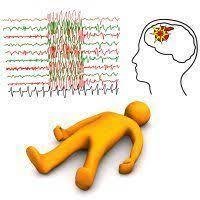
What procedures are taken before EEG for children? How is this examination done? Read the article to be able to answer.
What do you know about EEG for children? There is a lot of information to know about this, so you should read this article:
What is EEG for children?
EEG for children is a measurement of the electroencephalogram of children while they are awake. The doctor may need to examine the electroencephalogram during sleep or drowsiness, so you should temporarily reduce the hours of sleep for your child at that time.
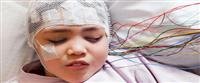
The examination is performed by attaching metal disks connected to wires to the skull, and the wires transmit the electrical pulse to the computer screen to record the results, in order to diagnose some brain diseases in children, such as:
Epilepsy.
Strokes.
Headache.
Brain injury.
Brain tumors.
Sleep problems.
Cerebral Palsy.
EEG also helps in early diagnosis in order to get treatment early.
How can one prepare before EEG for children?
There are a number of preparatory steps that precede EEG for children, including the following:
My Player placeholder
Explaining the test to the child, and why the doctor will perform it appropriately for his or her age.
Wash the child’s hair well the night or morning before the test. It must be dry, clean, and free of oils. Therefore, it is preferable not to use conditioner, hair oil, or any of its preparations.
Ensure that the child eats a meal two to three hours before the start of the test to regulate blood sugar levels and make it easier for the child to sleep, while refraining from consuming anything that contains caffeine or sugar the night before the test.
Prepare to answer about the child’s medical history, in addition to the symptoms he suffers from, and the medications he uses.
Giving the child his usual medications unless the doctor recommends otherwise.
Do not allow the child to sleep during the test, as test results are better while they are asleep.
Plan the test during your child''s nap time.
Wear children''s pajamas or loose clothing, making sure to bring a pacifier or milk bottle if you use it for your child.
Bring any of the things your child loves, such as: toys, books, or stories.
How can a child be put to sleep before the EEG test for children?
It is preferable for the child to sleep during this test to better examine the brain’s electroencephalography. For this reason, you can follow some tips to make your child sleep during the test, and this depends on the age of the child. These tips include the following:
Under 2 years: Waking up children under 2 years old one to two hours before their normal wake-up time.
2 - 4 years: Keep them awake for 2 - 4 hours after their normal sleep time, and wake them up one to two hours before their original wake up time.
5 - 12 years: Keeping them awake until 12am and waking them up at 6am.
Over 13: Keeping them awake until 2 a.m., waking them up at 6 a.m.
What happens during EEG for children?
The doctor performs the examination on the child while he is awake and asleep to obtain the best results, through the following steps:
The child lies on his back.
Specify areas of the head for testing by the technician in charge, and glue will then be applied to them.
Glue the metal discs to the child''s head in place of the identified marks and connect them to the computer.
Asking the child to do some things, such as looking at bright lights, or breathing quickly.
Record the results.
What are the dangers of EEG for children?
This test is considered safe for children, but it may sometimes cause epileptic seizures in children who already have it, as a result of the lights that the child is exposed to during the examination or rapid breathing, both of which are triggers for epileptic seizures.