of treatment
Endometriosis is one of the disorders that you should know more about. In this article, we will present everything that interests you about the symptoms of endometriosis and treatment methods:
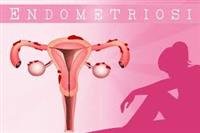
Endometriosis is the growth of the tissue lining the uterus outside the uterus. This abnormal growth usually occurs in the lower abdominal area or at the pelvis, but it can occur in any area around the body.
There are many causes of endometriosis, including retrograde menstruation, or migration of uterine cells after surgery.
Let us learn here about the symptoms of endometriosis and how to treat it
Symptoms of endometriosis
The symptoms of endometriosis vary from one woman to another. Some women may feel mild pain and some may feel stronger pain than others.
The degree of feeling of pain does not necessarily indicate the seriousness of the stage of endometriosis disorder. You may feel severe pain and the duration of the disorder is mild to moderate. On the other hand, you may feel mild pain and its stage is advanced.
My Player placeholder
The most common symptoms of endometriosis are pain in the pelvic area, in addition to the following:
Pain during menstruation.
Pain before and after menstruation.
Heavy bleeding during menstruation, and bleeding before or after menstruation.
Infertility, or difficulty getting pregnant.
Feeling pain after intercourse.
Not feeling comfortable with bowel movements.
Feeling pain in the lower back area, which may occur during menstruation.
Other symptoms include: diarrhea or constipation, fatigue, and feeling nauseous.
Symptoms of endometriosis
The diagnosis of endometriosis may be confused with ovarian cysts or pelvic inflammatory disease, so you must consult your specialist doctor to be diagnosed using the correct methods.
Treatment of endometriosis disorder
After learning about the symptoms of endometriosis, we note that there is no cure for endometriosis, but the severity of its symptoms can be alleviated and controlled through the following:
Taking pain-relieving medications
The doctor can prescribe common analgesics to relieve the pain you are suffering from, such as: Ibuprofen, but they are not effective in all cases.
Use of hormonal therapy
If the cause of the injury is a hormonal imbalance, hormonal treatment works to restore the balance of hormones within your body, which helps relieve pain and control the progression of the condition.
Taking pregnancy control medications
Pregnancy control medications work to prevent pregnancy by stopping the monthly growth of endometrial tissue, which in turn reduces the progression of the endometriosis stage.
Hysterectomy
The specialist doctor rarely resorts to hysterectomy and presents it as a last resort if other methods do not work and do not help in alleviating the symptoms of endometriosis.
Complications of endometriosis
When treatment is delayed, the symptoms of endometriosis may develop into some serious complications, including the following:
1. Infertility
One of the main complications after endometriosis is poor fertility, as endometriosis causes blockage of the fallopian tube and thus the sperm is unable to reach the egg and fertilize it.
It may also affect fertility indirectly, as endometriosis causes damage to the sperm or egg.
2. Ovarian cancer
Ovarian cancer rates are higher in women with endometriosis.