There are many symptoms of liver and gallbladder diseases that may appear in the affected person. Follow the following article to learn about them.
Liver and gallbladder diseases vary, and many people may suffer from them. Follow the following article to learn more about the symptoms of liver and gallbladder diseases:
Symptoms of liver and gallbladder diseases
The signs and symptoms that may appear on the patient vary depending on the specific disease he has, but there are a number of common symptoms that may appear in most people with liver and gallbladder diseases, including the following:
1. Jaundice
Jaundice is characterized by yellowing of the skin and whites of the eyes.
2. Cholestasis
Cholestasis is described by stopping the flow of bile.
3. Portal hypertension
There is an increase in the pressure of the veins that transport blood from the intestines to the liver.
Video you may like
4. Ascites
Ascites is known as the accumulation of body fluids in the abdominal area.
5. Hepatic encephalopathy
It is a decline in brain function due to the accumulation of toxic substances that the liver usually removes.
6. Other symptoms
Other symptoms of liver and gallbladder disease include
General weakness and fatigue.
Anorexia.
Slight weight loss.
Abdominal pain and swelling.
Itchy skin.
Dark colored urine.
Nausea and vomiting.
Chronic fatigue.
Pale stool color.
Bloody stools.
Swelling in the ankles and legs.
Bruises on the body.
Symptoms that characterize some diseases of the liver and gallbladder
There are many symptoms of liver and gallbladder diseases that distinguish and determine the type of disease. We mention some of these diseases and the symptoms that distinguish them as follows:
1. Gallstones
Gallstones occur when the liver secretes large amounts of cholesterol. This cholesterol then travels to the gallbladder to form hard stones there, which can cause severe pain.
In fact, 80% of people with gallstones do not experience any symptoms, especially if the stone is lodged in the gallbladder.
Symptoms begin to appear when the stones move from their place. The most prominent symptoms that can be observed are the following:
Severe pain that develops over time and may last for 12 hours.
Nausea.
Pain in the upper abdomen.
Vomiting after a fatty meal.
2. Liver cirrhosis
Symptoms usually develop as the degree of liver damage increases. The following may appear
Bruising in the body due to decreased production of clotting proteins.
Gynecomastia for men.
Impotence.
Wasting due to decreased protein production in the muscles.
3. Gilbert''s disease
This disease is characterized by the patient not showing any symptoms, and it is usually diagnosed by a high level of bilirubin in the blood sample.
4. Cholecystitis
Obstruction of the gallbladder with stones may sometimes cause cholecystitis, which can be acute inflammation or chronic inflammation.
Many symptoms may appear in infected people, such as the following
Nausea and vomiting.
Swelling in the abdomen.
Slight yellowing of the skin.
Methods of detecting liver and gallbladder diseases
Both liver and gallbladder diseases are detected as follows
Methods of detecting gallstones
In fact, you can detect gallstones by the following
1. Abdominal ultrasound
This test is the most widely used test to diagnose gallstones, where a specific device is moved over the abdomen to detect the presence of gallstones.
2. Endoscopy
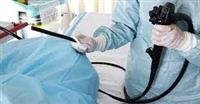
This examination is more suitable for diagnosing the presence of small stones that the ultrasound device cannot identify, by ing a thin tube from the mouth into the digestive system, where it can take accurate pictures of the area.
3. Other methods
This is done through physical examination and observing the apparent symptoms.
Methods of detecting liver diseases
It is important to accurately determine the cause of liver disease, by performing several tests such as the following:
1. Blood tests
Blood tests are usually performed to determine how effectively the liver is performing its functions, and may reveal the presence of some genetic problems.
2. Imaging tests
Such tests detect any liver damage.
3. Taking a tissue biopsy
A biopsy helps determine the presence of any cell damage, and is taken by ing a long needle into the skin and taking a group of cells, then examining them.