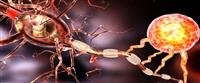
Are there early symptoms of multiple sclerosis? What are the most prominent symptoms? Find out the answers to all your questions in the following article.
If you are wondering if there are early symptoms of multiple sclerosis (MS), also known as multiple sclerosis, then you should continue reading this article.
Early symptoms of multiple sclerosis: clinically isolated signs of the syndrome
In many people, the syndrome is clinically isolated and is an early symptom of multiple sclerosis. This syndrome is defined as an episode of stressful symptoms that usually lasts about 24 hours.
This syndrome is either monofocal, when it affects one area of the central nervous system Or multifocal, when it affects more than one area.
It is noteworthy that not everyone who suffers from this syndrome will necessarily develop multiple sclerosis. The most prominent symptoms of this syndrome include the following:
1. Optic neuritis
This inflammation occurs as a result of damage to the optic nerve, which may be accompanied by the following symptoms:
Video you may like
Double vision and weakness.
The presence of blind spots.
Eye pain.
2. Transverse myelitis
This condition results from damage to the spinal cord, and its symptoms include
Numbness and tingling.
Muscle weakness.
Problems with urination and defecation.
3. Lhermitte’s sign
This sign is known as the barber chair sign, and it results from the presence of a lesion in the upper part of the spinal cord, and leads to a feeling similar to an electric shock.
This shock is from the neck to the spine, and usually occurs when the neck is tilted forward.
Early symptoms of multiple sclerosis: initial symptoms
Having learned about a group of early symptoms of multiple sclerosis, we now move to its initial symptoms that occur when it begins to damage the myelin sheath that covers nerve cells in the brain and spinal cord:
Problems with urination and defecation
It can be divided into the following
1. Urination problems
These problems include the following
Urgent desire to urinate frequently.
The need to urinate at night.
Inability to empty the bladder of urine.
2. Output problems
The most prominent of which is constipation.
Sluggishness and motor incoordination
This may lead to the following
Difficulty walking.
Change in gait shape and speed.
Inability to maintain balance.
Dizziness and visual symptoms
Visual symptoms include
Nystagmus.
Double vision.
Psychological symptoms
The following symptoms are among the most prominent
Depression.
Anxiety.
Emotional fluctuations.
Fatigue and muscular symptoms
This disease causes a feeling of fatigue and exhaustion, in addition to muscle spasms that often affect the leg muscles.
Tremor and sensory problems
Sensory problems range from itching, tingling, and others, and the affected person may feel different symptoms when warming up for exercise, including difficulty controlling certain parts of the body, in addition to fatigue and general weakness.
Cognitive symptoms
These symptoms relate to slow thinking and memory problems.
Reproductive system problems
These include erectile dysfunction in men and vaginal dryness in women.
Speech difficulties
This includes slurring words and pausing while speaking.
Advanced symptoms of multiple sclerosis
After recognizing early symptoms of multiple sclerosis, you must recognize advanced symptoms. The following symptoms are among the most severe symptoms of multiple sclerosis in its advanced stages:
Pain in nerves, muscles and joints.
Muscle spasms.
Muscle stiffness.
Exhaustion.
Breathing difficulty.
Tremor, unsteadiness, and poor coordination.
Numbness and tingling.
Sensory changes.
Urinary or fecal incontinence.
Pneumonia.
Kidney or urinary tract infection (UTI).
Paralysis.
Loss of the ability to move the upper or lower body.
Weakness and dizziness.
Difficulty chewing or swallowing.
Speech problems.
Thinking or memory problems.
Psychological disorders, including depression and mood swings.
hearing loss.
Long-term vision loss or double vision.
Headache.
Seizures.