What is the case of tooth nerve death? What are its causes? What are its symptoms? What are the ways to treat it? What should you know about it? Important information we present in this article.
Note to the editor: Aya’s permission was obtained in advance to use the article’s sources. Let us learn in the following about the death of the tooth nerve.
What is meant by tooth nerve death?
Nerve death is a condition in which the nerves inside the tooth pulp die, which may make the tooth vulnerable to many oral problems, especially if the patient does not undergo the necessary treatment.
The dental pulp is not only composed of nerves, but it is the heart of the tooth that contains nerves, blood vessels, and other important tissues, and it plays a pivotal role in maintaining the health of the tooth from the inside.
When the pulp is damaged and left untreated, the blood supply to the pulp nerves may decrease, which may lead to inflammation and death of the nerves and the death of the pulp. Therefore, cases of death of the tooth nerve are given other names, such as: necrotic pulp and pulpless tooth. .
Nerve death may lead to the appearance of some disturbing symptoms, such as pain and tenderness. After the death of the tooth nerve and the death of the pulp, the tooth becomes dead, and over time the tooth may fall out spontaneously, but it is preferable not to wait. If the tooth is not cleaned of dead tissue, many complications may arise.
Video you may like
Causes of tooth nerve death
The pulp is contained within a covering that protects it, but if bacteria are able to penetrate the pulp, as in cases of deep caries or contaminated dental fillings, for example, then the pulp may become contaminated, and once the pulp and what is inside it are contaminated, it will often not be able to heal on its own.
When the pulp is infected, its tissues may become irritated. If the irritation continues for a long time, it may reduce the blood supply to the tooth, which may cause nerve inflammation or death.
Risk factors
These are the most prominent factors that may increase the chances of infection
1. Tooth decay
Neglecting oral hygiene may lead to the development of cavities and an oral environment that makes it easy for bacteria to infiltrate the tooth and reach the pulp.
After being exposed to pollution, the pulp may become inflamed, and over time, the inflammation may worsen, leading to the death of the dental nerve and the dead tooth.
2. The tooth was involved in an accident
Death of the tooth nerve may sometimes occur as a result of exposure to certain accidents, such as sports accidents. When such accidents occur, the tooth may be damaged in a way that requires immediate medical attention. If the patient does not receive the necessary care, blood may stop flowing to the tooth, which may lead to the death of the nerve. .
3. Other factors
These are some other factors that may increase your chances of infection
Preparation processes for installing dental crowns.
Repeated exposure to some aggressive medical procedures.
Frequently brush your teeth.
Symptoms of tooth nerve death
Here are the most notable ones
1. Pain
Although the tooth nerve is actually dead, this does not mean the absence of pain, as the source of pain after the death of the nerve is not the pulp, but rather the nerve endings present in the layer surrounding the pulp, the injury of which may lead to problems such as caries, by imposing pressure on them that may cause irritation.
If nerve death causes complications such as abscess, the pain may be accompanied by other symptoms, such as: bad taste in the mouth and bad breath.
2. Tooth discolouration
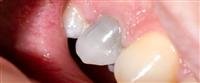
The color of a dead tooth tends to change over time. The disruption of the blood vessels inside the tooth may lead to the death of red blood cells, which may make the color of the tooth darker than its original color, or it may cause the tooth to acquire a yellow, gray, or black color.
Death of the tooth nerve, does it mean losing the tooth?
The death of a tooth''s nerve does not mean losing the tooth. Rather, undergoing some treatments can help save the damaged tooth.
Once the tooth breaks through the gum, the function of the tooth nerve becomes limited to sensing heat and cold, so its presence or absence may not negatively affect the functions of the tooth, but the death of the nerve can make the tooth more vulnerable to fractures, for example, and not receiving appropriate treatment may lead to Many complications, such as the formation of a dental abscess.
Treatment of tooth nerve death
These are some of the treatment methods that can be resorted to
1. Root canal treatment
During this procedure, a deep cleaning of the tooth cavity is performed to remove dead tissue from inside the tooth. Although the tooth is now dead, after it is cleaned of dead tissue, it will remain useful as long as it is not broken.
However, since dead teeth are more susceptible to fractures than living teeth, this procedure is often followed by installing a crown on the damaged tooth.
2. Tooth extraction
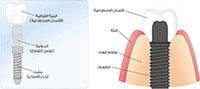
If the dead tooth reaches a stage that makes it impossible to save, the doctor may extract the tooth, which will then be replaced with dental implants or bridges.
What are the age classes?
The tooth consists of three different layers
1. Enamel layer
It is the outer layer, and it consists of a substance that is considered the hardest in the body, but some substances may be able to penetrate it, such as bacteria and acids.
2. Dentin layer
It is the middle layer that makes up the majority of the tooth''s volume, and helps protect the pulp from pollutants. This layer contains nerve endings that may help alert you in cases where decay or any type of pollutant may penetrate the enamel layer.
3. Pulp
It is the inner part of the tooth that contains nerves and blood vessels, and it consists of two parts:
Root canal: It is the lower section of the pulp and extends into the lower half of the tooth.
Pulp chamber: located within the visible area above the gums of the tooth.