Every year millions around the world are infected with pneumonia. What is this disease? What are its causes and methods of treatment? Can it be avoided?
Let us learn more about pneumonia in detail
What is meant by pneumonia?
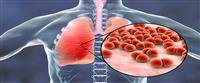
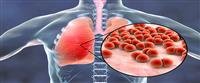
It is an inflammation of the alveoli in the lung as a result of a viral, bacterial, or fungal infection, which leads to them filling with fluid and pus.
This inflammation results in several symptoms, some of which are very simple and others that may require immediate medical intervention.
What are the symptoms associated with this inflammation?
The body''s reaction varies depending on the type of germ causing the disease and the patient''s age and health condition. Symptoms of pneumonia may include the following:
Fever, severe sweating, and shivering.
Cough accompanied by yellow or green phlegm or blood.
Shortness of breath with rapid breathing.
Chest pain that increases when coughing or breathing deeply.
Fatigue and loss of appetite.
Nausea and vomiting, especially in children.
Mental cognitive impairment in the elderly.
What are the types of pneumonia?
Pneumonia is classified according to where the infection was acquired as follows
Hospital-acquired infection (HAP): This infection occurs as a result of hospitalization, and is considered one of the most dangerous types due to the high resistance of bacteria to antibiotics.
Community-acquired pneumonia: It is contracted in daily life.
Ventilator-associated pneumonia: usually appears after using a ventilator.
Aspiration pneumonia: This occurs as a result of inhaling bacteria from food, drink, or saliva due to swallowing problems or during anesthesia.
Who are the groups most vulnerable to pneumonia?
Although this infection may affect anyone, there are certain groups that may be more exposed to this risk than others.
Older people over 65 years of age and children under the age of two are most susceptible to this disease, and there are also several factors that may increase the risk of infection, such as:
A weak immune system, especially in AIDS patients, alcoholics, chemotherapy patients, and those receiving immunosuppressive medications, such as steroids.
Some chronic diseases, such as: asthma, chronic obstructive pulmonary disease, and heart disease.
Smoking.
Hospital stay.
How is pneumonia diagnosed?
The doctor takes the patient''s medical history, inquires about the symptoms, then begins examining the lungs when listening for abnormal sounds, such as purring or vibrations.
The doctor may request several tests to confirm the condition, including the following
Blood tests to detect any bacterial infection.
Chest X-ray examination.
Sputum culture test.
If symptoms appear while the patient is in the hospital, further tests may be performed, such as:
Arterial blood gas test to measure oxygen levels.
Bronchoscopy to confirm obstruction.
Computed tomography of the lung.
Pleural fluid culture to check for the presence of bacteria causing the inflammation.
Therapeutic methods
The treatment mechanism depends on the type and severity of inflammation as follows
Bacterial infection is treated with antibiotics.
Treatment for viral infections depends on rest and drinking plenty of fluids, and antivirals can be used in the case of influenza.
Antifungals are prescribed to treat fungal infections.
Fever reducers, pain relievers, and cough medicines are used to relieve its symptoms.
The patient needs to take a rest while maintaining hydration to increase the fluidity of phlegm and facilitate its expulsion.
Some cases of acute infection require hospitalization, especially when there is an immune deficiency, so the patient is given appropriate antibiotics, intravenous fluids, and oxygen.
Preventive tips and advice
There are some factors that may help reduce the chances of contracting pneumonia, including the following:
Taking the vaccine, as some vaccines are available against some types of this infection and influenza.
Maintain personal hygiene by always washing and sanitizing your hands.
Quit Smoking.
Strengthen the immune system by following a healthy diet, exercising, and making sure to get enough sleep.
Are there any complications associated with this infection?
Pneumonia often causes complications, such as
Bacteremia: Inflammation can lead to the spread of bacteria in the blood, leading to septic shock and organ failure.
Breathing problems: The patient often needs a ventilator during the recovery period.
Fluid accumulation: Fluid may accumulate between the lung tissue and the chest cavity.
Lung abscess: This occurs when pus forms inside the lung.