Chronic ulcers and infections are one of the complications of diabetes, especially those affecting the foot. What are the ways to treat diabetic foot ulcers?
Let''s learn about ways to treat diabetic foot ulcers and ways to prevent them
Treatment of diabetic foot ulcers
Diabetic foot ulcers occur in about 15% of diabetics and require treatment and periodic follow-up in order to reduce the occurrence of bacterial infections that would increase the risk of amputation.
Therefore, correct treatment is necessary to reduce the complications of diabetic foot ulcers. Here are the most prominent methods used in treating diabetic foot ulcers:
1. Cleaning sores at home
You can clean minor wounds at home using soap and water, but do not use hydrogen peroxide or soak your feet in water for a long period of time, as this delays healing and increases the risk of bacterial infection.
2. Debridement
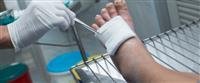
Debridement is the process of removing dead tissue and calluses surrounding the ulcer using special, sharp tools that scrape and remove them.
The debridement process aims to
Reducing the risk of wound infection.
Reduce pressure around the wound.
Rebuild and renew cells.
After that, the specialist wraps bandages around the wound, with the aim of creating a moist environment around it that prevents the tissues from drying out, absorbs pus, and protects the wound from contamination.
There are many forms of dressings used, including: hydrogels, foam dressings, calcium alginate, and absorbent polymers.
3. Off-loading
The unloading process is the process that contributes to relieving pressure on the diabetic foot. The pressure of weight on the diabetic foot can be relieved through the following methods:
Fixed plaster walker for diabetic foot
A fixed cast walker for diabetic foot helps distribute the weight load and reduce the burden on the sole of the foot. It is one of the best methods that contribute to the healing of diabetic foot ulcers by a rate ranging between 73-100%.
However, their use is contraindicated in the case of deep, ulcerated wounds or if the patient suffers from blindness, severe obesity, or advanced peripheral artery disease.
other ways
Some other methods that may be used but are less effective than a fixed plaster walker
Removable walker.
Medical shoes for diabetic feet.
4. Infection control
Bacterial infections in diabetic foot wounds are one of the most serious problems, so antibiotics must be used to treat them.
Oral pills are used for minor infections, but in advanced cases treatment is required in the hospital using intravenous antibiotics.
The most prominent symptoms of infection include the following
Severe pain around the wound.
Redness of the wound.
Foot heat and pus coming out.
5. Other treatments
Other treatments are used, including
Oxygen therapy.
Negative pressure therapy.
Epidermal growth factor receptors.
Skin grafts.
Gene engineering.
Amputation to treat diabetic foot ulcers
Unfortunately, in some advanced cases of diabetic foot ulcers, which get worse and worse, destroy cells and tissues of the skin, nerves, and bones, and lead to gangrene in most people, amputation is the best solution to reduce the problem. Sometimes one of the toes or the foot may be amputated, or part of it may be amputated. From the leg too.
The risk of diabetic foot amputation increases if certain factors are present, including
Chronically severe high blood sugar.
Smoking.
Peripheral neuropathy.
The presence of corns.
Peripheral artery disease.
Kidney disease.
Severe high blood pressure.
Preventing diabetic foot ulcers
Here are the most important tips and instructions to help prevent yourself from developing diabetic foot ulcers:
Make sure to regulate your blood sugar well through regular follow-up with your doctor and adherence to diet and drug treatments.
Monitor your feet daily and pay attention to any signs or skin changes that may indicate wounds or ulcers.
Wash your feet daily with warm, not hot, water and dry them well, especially between the toes.
Avoid removing calluses or skin cracks on your own.
Wear cotton and acrylic socks, and avoid nylon, to reduce moisture levels.
Avoid smoking because it leads to the destruction of blood vessels, leading to ischemia and slow wound healing.
Try to wear comfortable, non-tight shoes that cover the foot completely to avoid injuries.