Vaginal bleeding occurs normally during menstrual periods (menses). Bleeding during menses is actually from the uterus (when the lining of the uterus is shed, if no fertilized egg becomes implanted).
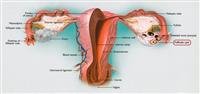
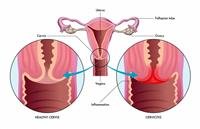
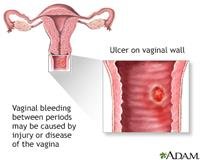
Abnormal vaginal bleeding may be blood from the vagina itself, or the blood may be coming from other parts of the female reproductive tract (vulva, cervix, uterus, fallopian tubes, or ovaries). Sometimes bleeding appears to be coming from the vagina (blood appears on underwear, toilet paper, or in the toilet water), but the bleeding is from other nearby organ systems, such as the urinary or digestive tract. Abnormal vaginal bleeding during the reproductive years (between the first menstrual period and menopause) in women who are not pregnant and in postmenopausal women is discussed here. (Also see vaginal bleeding in early pregnancy or late pregnancy and in children.)
Abnormal vaginal bleeding includes any vaginal bleeding that occurs
Before puberty
Between menstrual periods (intermenstrual bleeding)
During pregnancy
After menopause (12 months or more after the last menstrual period)
Menstrual periods are considered abnormal if they
Occur too frequently (fewer than 24 days apart) or too infrequently (longer than 34 days apart)
Last longer than 8 days
Involve excessive blood loss (loss of more than about 3 ounces [80 mL] of blood)
Do not occur regularly