What is a hernia?
A hernia is the bulge of an organ through the muscle or tissue that holds it in place.
There are many different types of hernias. The most common hernias are in the wall of your abdomen (belly).
What is an abdominal wall hernia?
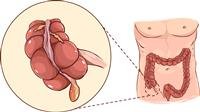
An abdominal wall hernia is a bulge in your belly. The bulge is made by your small intestine when it pushes through a small hole or weak area in the wall of your belly.
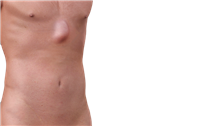
An abdominal wall hernia sometimes s a bulge you can see and may or may not cause pain
Abdominal wall hernias are common, particularly in men
Heavy lifting or straining may make a hernia look bigger but doesn''t cause a hernia
Doctors usually treat hernias with surgery
What are the types of abdominal wall hernias?
Hernias are named by where they occur. Abdominal wall hernias can happen in many different places:
Inguinal hernia: in the crease of your groin or in your scrotum (the sac around your testicles)
Umbilical hernia: around your belly button, which is more common in babies
Epigastric hernia: in the middle of your belly, above your belly button and below your rib cage
Femoral hernia: just below the crease of your groin in the middle of your upper thigh
Incisional hernia: in a place where your abdominal wall had been cut for surgery (this may happen many years after the surgery)
These places are all weak spots in your abdominal wall. An opening can develop on its own or when you strain.
An incarcerated hernia is when a loop of your intestine gets stuck in the hernia. This can block your intestine.
A strangulated hernia is when your intestine is trapped so tightly that its blood supply is cut off. The part of the intestine that isn''t getting enough blood can burst and die and, if not treated, can kill you.
A "sports hernia" isn''t really a hernia. It''s a torn muscle in your lower belly that can cause pain in the same place as a real hernia.