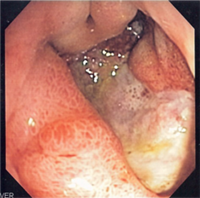
Gastritis is inflammation of the stomach lining.
The inflammation can be caused by many factors, including infection, stress resulting from severe illness, injury, use of aspirin and other nonsteroidal anti-inflammatory drugs (NSAIDs), alcohol, and disorders of the immune system.
When symptoms of gastritis do occur, they include abdominal pain or discomfort and sometimes nausea or vomiting.
Doctors often base the diagnosis on the person''s symptoms, but sometimes they need to examine the stomach with a flexible viewing tube (upper endoscopy).
Treatment is with medications that reduce stomach acid and sometimes antibiotics.
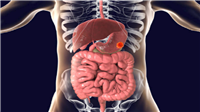
The stomach lining resists irritation and can usually withstand very strong acid. Nevertheless, in gastritis, the stomach lining becomes irritated and inflamed.
The Stomach
Erosive gastritis is more severe than nonerosive gastritis. This form involves both inflammation and wearing away (erosion) of the stomach lining. Erosive gastritis typically develops suddenly (called acute erosive gastritis) but may develop slowly (called chronic erosive gastritis), usually in people who are otherwise healthy.
Chronic Gastritis