The Thoracotomy Procedure
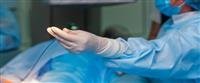
Once you're asleep, you're positioned comfortably on your side and covered with sterile drapes. Your surgeon then makes an incision across your side. Your rib cage is separated to expose your lungs.
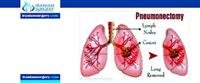
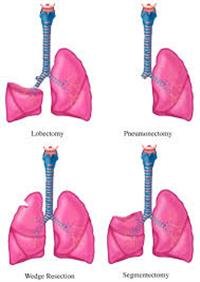
The lung to be operated on is deflated, while a breathing tube helps your other lung continue working. The deflated lung can then be examined and any necessary procedure performed, including removing part or all of the lung. In some cases, nearby lymph nodes may be removed, as well.
When the procedure is finished, one or more tubes are placed in the chest temporarily to drain fluid and air. Then the rib cage is repaired and the muscle and skin are closed with sutures or staples.
Thoracotomy: To Family and Friends: Waiting During Surgery
The entire procedure, from preparation through surgery, may take 2 to 5 hours. Plan activities to help pass the time while you wait.
After surgery, your loved one will be taken to the recovery room or another monitoring unit. You may be able to visit within a couple of hours.
When you visit, be prepared to see your loved one surrounded by tubes and monitors. He or she may be groggy, pale, and puffy-looking. This is normal following major surgery.
The pain medications that help make your loved one more comfortable may also make him or her sleepy or confused.
Thoracotomy: In the Recovery Area
After surgery, you'll be moved to a recovery area where you can be closely monitored. When you first wake up from the anesthesia, you may feel groggy, thirsty, or cold. If the breathing tube given to you during surgery remains in place, you won't be able to talk.
Flexible tubes in your chest drain air, blood, and fluid. Intravenous (IV) lines give you fluid and medications. Monitors record your heartbeat and the amount of oxygen in your blood. You may spend one or more days in this special monitoring unit before you're moved to a regular hospital room.
During your recovery, you'll be given pain medications to help make you more comfortable. You may also be taught exercises to improve your breathing and your range of motion while you heal. The hospital stay after a thoracotomy varies from patient to patient, but it's often a week or longer.
Thoracotomy: Managing Your Pain
As soon as possible, you'll begin to move around to improve your muscle strength and blood flow. Your nurse or a physical therapist will help you as you start to sit up and walk.
Pain medications help make activity more comfortable. These medications may be given to you by a nurse, or a special pump may allow you to give yourself medication as you need it.
If you received an epidural before surgery, it may remain in place for a few days to continue to relieve the pain of your incision
Thoracotomy: Therapy and Exercises
Soon after your surgery, a nurse or therapist will teach you exercises to keep your lungs clear, strengthen your breathing muscles, and help prevent complications. The exercises include incentive spirometry, where you put your mouth around a plastic device and inhale as much air as you can. You will also be taught coughing and deep-breathing exercises and other breathing techniques, and be asked to perform them regularly on your own.
Range-of-Motion Exercises
While you're in the hospital, your nurse or a physical therapist may teach you some range-of-motion exercises. These exercises help stretch and strengthen the muscles on the side of surgery to keep your shoulder moving freely. You may also be taught exercises you can continue to do at home while you heal.
Recovering at Home After A Thoracotomy
Before you leave the hospital, your doctor will review the results of your surgery with you and tell you what to expect during your recovery. You and your doctor can discuss any further treatment you may need for your condition, review the next stage of your treatment plan, and schedule follow-up visits. When you're ready to leave the hospital, have someone available to drive you home.
Your Home Recovery
For the first several weeks after your surgery, you'll be gaining a little more energy and strength each day. Breathing may be uncomfortable at first, and you may be short of breath. Take things slowly, and rest when you get tired. Your doctor or nurse can talk to you about what you can and can't do as you recover.
Caring for Your Incision
When you shower, wash your incision gently with warm (not hot) water and mild soap. Bruising, itchiness, soreness, and numbness at your incision site are normal for several weeks after surgery.
Taking Medications
Take your pain medications regularly as your doctor instructs--don't wait until the pain gets bad before you take them. In addition to medication for pain, your doctor may prescribe other medications. In some cases, this may include oxygen.
Easing into Activity
For 6 to 8 weeks after your surgery, avoid any activity that might put stress on your healing incisions, such as heavy lifting or yardwork. Do start walking, though, to improve your circulation, lung capacity, and strength.
Taking pain medications before activity will help make breathing more comfortable. You'll probably feel short of breath for several weeks. This is normal and will improve with time. As you begin to feel better, you can gradually add more strenuous activities.
Ask your doctor how long to wait before returning to sexual relations, driving, and work.
When to Call Your Doctor
Call your doctor if you have any of these symptoms
Draining or very red incision
Sudden, severe shortness of breath
Sudden, sharp chest pain
Fever over 101°F
Rapid heartbeat or “fluttering” in your chest
Thoracotomy: Life After Lung Surgery
Recovering from major surgery can be difficult emotionally as well as physically. A diagnosis of cancer can cause additional stress and concern. Talk to your doctor about your feelings, and stay close to your family and friends, who can help you through rough times.
Dealing with Your Emotions
It's common to feel depressed and anxious after major surgery. You might feel energetic and cheerful one day, then tired and cranky the next. You may even have trouble sleeping or eating. If the surgery was for cancer or suspected cancer, you may also feel scared and wonder what it means for your health and your future. Now is not the time to withdraw from those around you. Share your feelings with your loved ones and tell them how they can help.
Following Up with Your Doctor
As you recover from the surgery, you'll see your doctor for regular follow-up visits. During these visits, your healing and recovery can be monitored. Your doctor or nurse can also discuss your plan of care with you and outline your options if you need further treatment.
Thoracotomy: Notes to Family and Friends
Your loved one might feel depressed, frustrated, or scared during his or her recovery. This is common. You might even feel that way yourself. Talk with each other about your feelings.
If your loved one had surgery for cancer, you probably have concerns about that as well. Look into joining a support group, and encourage your loved one to do so, too.
Let your loved one do the things that he or she feels able to do. Offer encouragement, and try not to be overprotective.