How is chronic pelvic pain diagnosed?
Your doctor will ask you questions about your past and present health, and about illness or health-related problems in your family. You may be asked to describe the kind of pain you have, where it is and how strong it is. Tell your doctor anything you can about what causes the pain to get better or worse.
Is the pain related to your menstrual cycle?
Is it related to bowel movements?
Does it hurt during urination or sexual activity?
Have you had an infection?
Have you had surgery in your pelvic area?
Your doctor may also want to perform some tests to help make the diagnosis.
What types of tests may be performed?
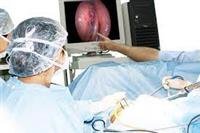
A number of tests can help your doctor find the cause of your pain. Your history and physical exam will help him or her decide which, if any, tests to do. These may include blood tests, urologic tests or X-rays. In some cases, your doctor may need to perform minor surgery, such as laparoscopy (a procedure in which a thin lighted tube is ed in the abdomen so the doctor can look at your pelvic organs).
How is chronic pelvic pain treated?
Treatment depends on your individual problem. Your doctor will help you determine which form of treatment is right for you. Some treatment options include:
Stopping ovulation (release of eggs from the ovary) with birth control pills or injections
Use of nonsteroidal anti-inflammatory pain relievers such as ibuprofen (one brand name: Motrin) or naproxen (brand name: Aleve)
Relaxation exercises, biofeedback (treatment to control emotional states using electronic devices) and physical therapy
Abdominal trigger point injections. A trigger point is a tender area in the lower wall of the abdomen. Pressure that is put on this area causes pain. Injecting medicine into the trigger point can block this pain
Antibiotics
Psychological counseling
Rarely, surgery is necessary if abnormalities in the pelvis are seen