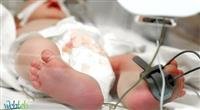

You're bound to feel anxious if your premature baby needs surgery, but try to focus on the positive: the operation is likely to help improve your baby's chances.
Some surgical procedures can be done under local or regional anaesthetic, while others will require general anaesthetic. At times you may face difficult situations, especially if your baby is very sick and emergency surgery is required to try and safe his life.
Giving consent for surgery
The surgeon will explain to you the risks of any operation, and you will be asked to give consent after weighing up the pros and cons. Ask as many questions as you can think of – the team will be happy to explain anything that you might be worried about or that you have not understood properly.
The unit will give you details of its consent policy. The responsibility for taking difficult decisions about giving, withholding or withdrawing intensive care therapies lies with the consultant, but they will always act to promote a care pathway that is in the best interests for your baby and will seek your agreement before making such decisions.
Finding solutions
The unit will give you details of its consent policy. The responsibility for taking difficult decisions about giving, withholding or withdrawing intensive care therapies lies with the consultant, but they will always seek your agreement before making such decisions.
If you disagree with the medical team, it is important to raise this early on so that they can work with you to find a resolution. Sometimes this will be resolved through more discussion, the bringing in of a trusted family member or friend to help with talking, seeking a second independent medical opinion, use of a clinical ethics committee, but ultimately the courts can be called upon to determine what is in the best interests for a child.
Emergency situations
In some cases the team may need to take an emergency life-saving decision when they are unable to contact you and there is a duty for them to do so.
Pain relief for premature babies
Many premature babies have to experience many different interventions that may be uncomfortable or painful, so they need to be given pain relief. This can involve drug therapy and/or non-medical means such as:
wrapping
swaddling
milk feeds
sugar solution.
You may find it very distressing to think that your baby may be in pain. You can help by being vigilant – if you see anything that looks like it might be sore or chafing, or if your baby seems distressed in any way, mention it to one of the team.
Babies can become physically dependent on painkilling drugs, so the team may need to stop treatment very gradually, to prevent withdrawal symptoms. Read more about how to work out what your baby needs and how to respond to her.